When considering aftermarket modifications, car enthusiasts often wonder, "Can aftermarket hoses affect engine warranty?" Industry expert Mark Thompson states, "Using aftermarket parts can complicate warranty claims." This highlights the risks involved in installing non-original equipment manufacturer (OEM) hoses.
Aftermarket hoses can offer benefits, such as improved performance and enhanced durability. However, they may introduce complications. If an engine issue arises, warranty providers might question the use of these hoses. They may argue that these parts contributed to the failure, even if they did not.
Car owners should weigh the benefits against potential risks. Having a reputable mechanic or experienced technician examine the impact of aftermarket hoses is crucial. Understanding the specific terms of your warranty is essential. Aftermarket modifications can be tempting, but peace of mind often lies in adhering to OEM standards.
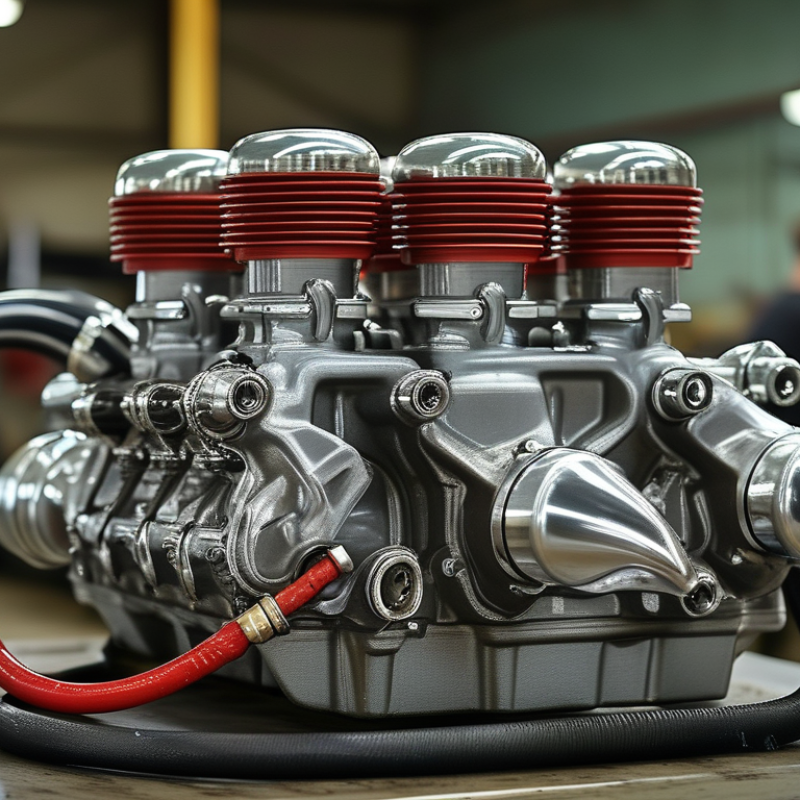
Understanding engine warranties is crucial for any vehicle owner. Many believe that using aftermarket hoses could void their engine warranty. However, this isn't a simple yes or no question. The details often lie in the warranty language itself. Some warranties have strict terms. Others offer more leniency.
It's essential to read your warranty documents carefully. Look for phrases that mention "modifications" or "aftermarket parts." If aftermarket modifications caused engine damage, the warranty could be voided. But if the damage is unrelated, you might still be covered. Always document the installation of any parts.
Tips: Keep receipts of all aftermarket parts. This proves your diligence in maintaining your vehicle. Consult with a mechanic to ensure compatibility. A professional opinion can clarify potential issues. Regular maintenance is key too. Following the manufacturer's schedule builds goodwill with warranty providers.
Aftermarket hoses play a crucial role in vehicle operation and performance. They can improve coolant flow, enhance air intake, and contribute to overall efficiency. However, not all hoses are created equal. Choosing the right aftermarket hoses can lead to better performance, but poor-quality options might harm your engine.
Many vehicle owners seek aftermarket hoses to upgrade their systems. A better hose can withstand higher temperatures and pressures. This durability can enhance performance. It’s essential to research and select hoses that fit your specific vehicle model. A suitable match ensures compatibility and optimal function.
Tip: Always check for reviews and testimonials from other vehicle owners.
Installing aftermarket hoses can sometimes void your warranty. Manufacturers may claim that non-original parts caused damage. To avoid issues, consult your dealership. Understand your warranty terms and conditions thoroughly.
Tip: Document all modifications, including dates and receipts.
In the end, aftermarket hoses can significantly impact performance. But, always weigh the benefits against potential warranty risks. Quality hoses can offer improvements, while lesser options may compromise your engine's integrity.
When it comes to aftermarket hoses, many car owners worry about warranty issues. A common misconception is that using these parts can automatically void your engine warranty. In reality, warranty coverage is often more flexible than people's assumptions. Manufacturers cannot void a warranty solely because aftermarket parts were used unless they can prove those parts caused the issue.
Misunderstanding the impact of aftermarket parts can lead to unnecessary anxiety. It’s essential to know that just because a part isn't factory-made doesn’t mean it’s inferior. High-quality aftermarket hoses can perform equally well or even better than OEM alternatives. However, always choose reputable brands to ensure reliability.
Tip: Keep records. Document the installation of aftermarket parts along with receipts to maintain transparency.
Another point to consider is proper installation and maintenance. If a poorly installed part causes an engine problem, that might lead to warranty complications. To avoid issues, consult with a mechanic experienced with aftermarket components. Their expertise can help ensure that your modifications won’t jeopardize your warranty.
Tip: Ask questions. Discuss your plans with your dealer to clarify any potential warranty concerns about aftermarket parts.
When it comes to aftermarket hoses, many car owners wonder about their impact on engine warranties. Legal precedents often show mixed outcomes for warranty claims related to aftermarket components. Historically, courts have ruled in favor of consumers in cases where the aftermarket part did not cause the damage. This means that simply installing an aftermarket hose may not automatically void your warranty.
However, the burden of proof often lies with the car owner. If your engine fails, the manufacturer might argue the aftermarket part caused the issue. Detailed records and expert opinions may be required to demonstrate that the original part would not have prevented the failure. This ambiguity can create challenges in warranty claims.
In reality, not all aftermarket components perform equally. Some hoses may fit poorly or lack the same durability as the original parts. Choosing a reputable supplier is crucial. We need to tread carefully and consider potential risks to warranty coverage and vehicle performance. Documenting installation and usage rigorously can also help build a stronger case in the event of disputes.
When discussing aftermarket modifications, particularly hoses, understanding their impact on engine warranties is vital. According to a recent report by the Automotive Warranty Association, nearly 30% of warranty claims involve modifications. Many consumers are unaware that using aftermarket components can lead to claims being denied. Even something seemingly innocuous, like changing an air intake hose, may be scrutinized during a warranty claim process.
Industry statistics reveal that about 25% of manufacturers explicitly state that aftermarket modifications could void warranties. A survey conducted among automotive technicians showed that 40% had encountered warranty disputes linked to such changes. This reflects a growing trend in the aftermarket industry, where the line between performance upgrades and warranty coverage becomes blurred. Customers may believe they are improving their vehicles, but they must weigh these decisions carefully.
Some modifications can enhance performance, yet they pose risks. A significant challenge is that many hose installations require specific expertise. Improper installation can lead to issues, sparking a broader debate. It’s essential to ensure that any changes are done correctly and follow manufacturer guidelines. Therefore, staying informed about the potential implications of aftermarket hoses can save drivers from unexpected financial burdens.
: It depends on your warranty language. Some terms are strict; others are lenient.
Focus on phrases like "modifications" or "aftermarket parts." These could indicate coverage limitations.
Document all installations and keep receipts. This shows you maintained your vehicle properly.
No, quality varies. Research options to find hoses that suit your specific vehicle model.
They can enhance coolant flow and air intake, improving overall efficiency.
Consult a mechanic or check reviews from other vehicle owners. This helps avoid costly mistakes.
Following the manufacturer's schedule builds goodwill with warranty providers, ensuring better coverage.
They might harm your engine and lead to warranty claims being denied.
Yes, understanding your warranty terms beforehand can help prevent issues down the line.
Weigh performance benefits against potential warranty risks. Quality matters greatly.
The article explores the question, "Can aftermarket hoses affect engine warranty?" by first providing an overview of engine warranties and the limitations in their coverage. It emphasizes that while aftermarket hoses can enhance vehicle performance, there are common misconceptions about their impact on warranties. Many vehicle owners worry that using such parts could void their warranties, but the article clarifies that this is not always the case.
Additionally, legal precedents related to warranty claims concerning aftermarket components are examined, highlighting how courts have typically ruled in favor of consumers under certain conditions. The article also presents industry statistics that showcase trends in warranty claims linked to aftermarket modifications, providing insights into how often these parts are implicated in warranty disputes. Ultimately, it encourages consumers to stay informed about their rights regarding warranty coverage when considering aftermarket products for their vehicles.

Autowellix Autoparts