When considering vehicle performance, many often overlook the oil system. A critical question arises: "Can a clogged oil pipe affect transmission performance?" According to Dr. Emily Hartman, a renowned automotive specialist, "Proper oil flow is essential for transmission efficiency." This highlights the interconnected nature of vehicle systems.
Oil helps lubricate various components, including the transmission. If the oil pipe is clogged, the flow is restricted. This can lead to overheating and increased wear. It does not just impact the transmission; it can also affect the entire drivetrain. Very few drivers notice such issues until significant damage occurs.
Monitoring oil flow is vital. Drivers can prevent costly repairs by paying attention to warning signs. Low performance or strange noises can indicate problems. Remember, a simple clogged oil pipe can be the first domino to fall, affecting overall vehicle performance. Addressing these issues early is crucial for maintaining your car’s health.
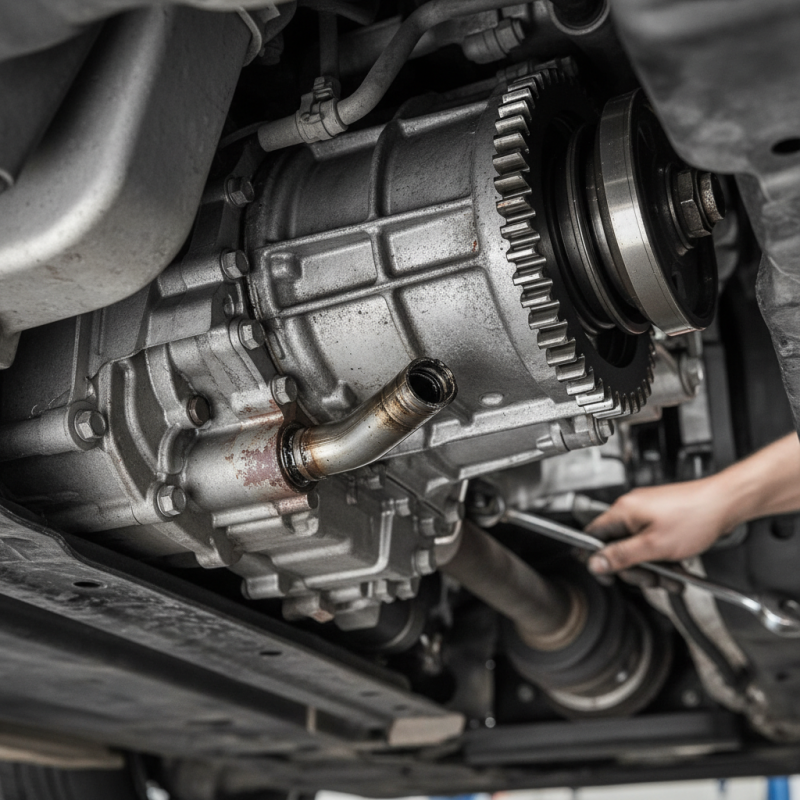
Oil pipelines play a critical role in vehicle transmission systems. These pipes are responsible for transporting transmission fluid to various components. If an oil pipe becomes clogged, it restricts fluid flow, affecting overall transmission performance. Insufficient fluid circulation can lead to overheating, delayed gear shifts, and ultimately, transmission failure.
Maintaining clean oil pipelines is vital. Regularly check for signs of leakage or debris. A simple inspection can save you from costly repairs. Avoid ignoring strange noises or difficulty shifting gears, as these may signal a clogged pipe.
Tip: Change your transmission fluid according to your vehicle's maintenance schedule. This simple step helps keep oil pipes clear and ensures optimal performance. Additionally, consider using a transmission fluid flush to remove accumulated contaminants. Remember, a little attention now can prevent major issues later.
| Issue | Impact on Transmission | Symptoms | Potential Causes | Recommended Action |
|---|---|---|---|---|
| Clogged Oil Pipe | Reduced lubrication leading to overheating and wear | Slipping gears, delayed shifting | Dirt, sludge accumulation, low oil levels | Inspect and clean the oil pipe; change oil regularly |
| Low Oil Pressure | Insufficient oil supply to transmission components | Warning light activation, grinding noise | Leakage, faults in oil pump | Check for leaks and replace faulty components |
| Contaminated Oil | Increased viscosity, reduced effectiveness | Hard shifting, overheating | Improper fluid maintenance | Flush transmission fluid and replace with fresh oil |
| Air in the System | Interruption in fluid flow | Erratic shifts, noise | Improper filling, leaks | Bleed the system and check for leaks |
: Oil pipelines transport transmission fluid to various components, affecting overall performance.
A clogged pipe restricts fluid flow, causing overheating and delayed gear shifts.
Clean pipelines prevent costly repairs and ensure optimal vehicle performance.
Symptoms include slipping gears, delayed shifting, grinding noises, or a burning smell.
Regularly check oil levels, change transmission fluid, and consider a fluid flush.
Don’t ignore those noises; they may signal a clogged pipe needing attention.
Check it regularly according to your vehicle’s maintenance schedule for best results.
Yes, contaminated fluid loses effectiveness, making vehicle control more difficult.
Yes, catching issues early can prevent costly repairs down the line.
Ignoring issues can escalate quickly, leading to major failures and expensive fixes.
The article "Can a Clogged Oil Pipe Impact Your Transmission Performance?" explores the critical role that oil pipelines play in vehicle transmission systems. It emphasizes how the flow of oil directly affects the functionality and overall performance of the transmission. When oil flow is restricted due to clogged pipes, it can lead to various problems, ultimately impairing the transmission's ability to operate efficiently.
Common causes of oil pipe blockages include debris accumulation and contamination within the oil system. Symptoms of impaired transmission from oil blockage can manifest as slipping gears, delayed shifting, or unusual noises. To prevent these issues, the article suggests implementing regular maintenance practices to ensure the integrity of oil pipes and the health of the transmission system. Overall, the article addresses the important question: "Can a clogged oil pipe affect transmission performance?" and provides insights into maintaining optimal vehicle function through proper oil management.

 Autowellix Autoparts