Coolant hoses are essential components of any vehicle's cooling system. Over time, these hoses can develop bulges, which often signal an underlying problem. Understanding "Why does coolant hose bulge and what to do?" is vital for any car owner. According to John Smith, a noted automotive expert, "A bulging coolant hose indicates excess pressure or deterioration, and it shouldn't be ignored."
When a coolant hose bulges, it can lead to significant issues if not addressed. The bulging occurs due to factors such as age, heat, and pressure. Old hoses can lose their elasticity and become weak. This weakness allows them to expand, creating visible bulges. Ignoring these signs can result in leaks, overheating, or even engine failure. It’s crucial to inspect and maintain hoses regularly to prevent these problems.
For drivers facing this issue, prompt action is necessary. It’s recommended to replace any bulging hoses and check the entire cooling system for any related issues. Recognizing the symptoms early can prevent costly repairs later. Understanding "Why does coolant hose bulge and what to do?" empowers vehicle owners to take control and ensure their car’s longevity.
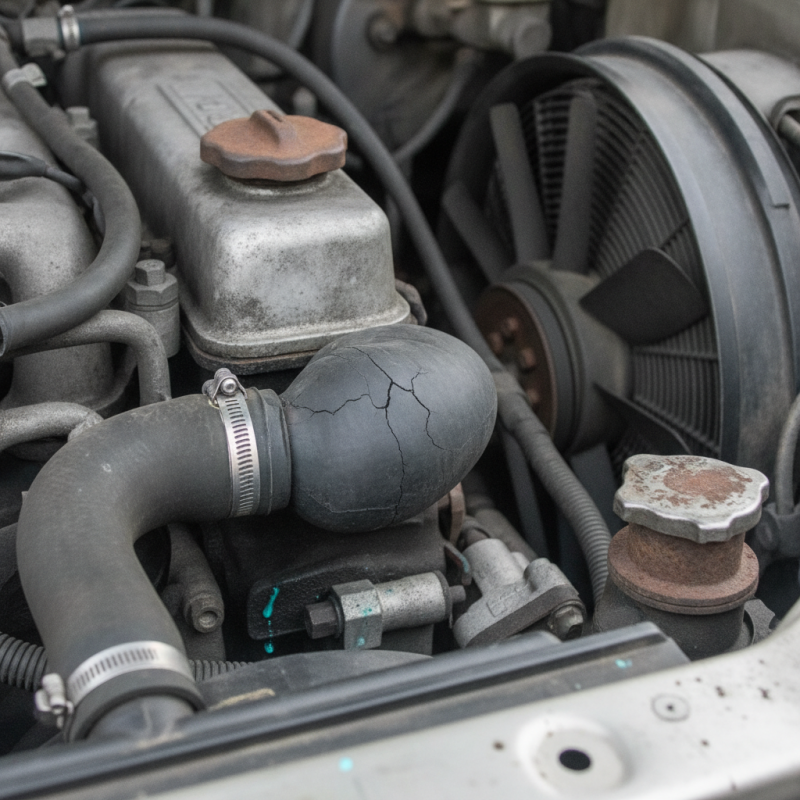
Coolant hose bulging is a common issue in automotive systems. This phenomenon can often signal underlying problems that require immediate attention. The most frequent cause of bulging is excessive pressure within the coolant system. When the engine overheats, it can create high pressure that the hoses cannot withstand, leading to bulging.
Another reason for this issue is degradation of the hoses themselves. Over time, heat and chemical exposure can weaken the materials, making them more susceptible to bulging. A damaged hose may not provide a tight seal, causing coolant to escape and further increasing pressure. It's essential to inspect hoses regularly for any signs of wear or leakage.
Inadequate coolant levels can also contribute to this problem. When coolant is insufficient, it can lead to localized overheating. This scenario puts extra stress on the hoses, which may cause them to bulge. Be mindful of regular coolant checks. Neglecting these simple maintenance steps could lead to larger issues down the line, such as complete hose failure.
| Cause | Description | Solution |
|---|---|---|
| High Pressure | Excessive pressure from the cooling system can cause hoses to bulge. | Check the pressure cap and replace if it’s faulty. |
| Heat Damage | Prolonged exposure to high temperatures can weaken hose materials. | Replace the hose with heat-resistant materials. |
| Chemical Corrosion | Coolants that contain corrosive chemicals can damage hoses. | Use compatible coolant and replace damaged hoses. |
| Age and Wear | Old hoses naturally degrade and can bulge over time. | Regularly inspect and replace hoses as part of maintenance. |
| Improper Installation | Hoses installed incorrectly can experience bulging. | Ensure hoses are installed correctly and securely. |
: Excessive pressure in the coolant system is a main cause. Engine overheating generates high pressure.
Over time, heat and chemicals weaken hoses. Weakened materials make them more prone to bulging.
Inadequate coolant levels lead to localized overheating. This situation stresses hoses and may cause bulging.
Bulging hoses signal pressure buildup. They can compromise engine performance and require immediate inspection.
Visually examine hoses for bulging or cracking. Feel for soft spots or irregularities for early detection.
Properly tightened clamps prevent leaks. Even small leaks can lead to larger system failures and costly repairs.
Coolant hoses generally last five to seven years. Regular checks can help avoid unexpected failures.
Neglect can lead to unnoticed deterioration. This may result in expensive repairs and compromised vehicle safety.
Studies show over 30% of engine overheating issues are linked to faulty coolant hoses.
Hoses should feel firm and uniform. Any softness or bulging indicates potential failure and needs attention.
Coolant hose bulging is a common issue in automotive systems, caused by factors such as overheating, excessive pressure, or deterioration of the hose material. Understanding the signs of coolant hose bulging and the associated risks, such as coolant leaks or engine overheating, is crucial for vehicle maintenance. In addressing the question, "Why does coolant hose bulge and what to do?", it is important to regularly inspect coolant hoses for any deformities or wear.
To effectively manage bulging hoses, a step-by-step inspection guide can help identify the problem early. If bulging is detected, there are proven methods for repairing or replacing the affected hoses. Moreover, implementing preventive measures, such as maintaining proper coolant levels and regular servicing, can significantly reduce the likelihood of encountering coolant hose issues in the future. Maintaining vigilance in these areas ensures the longevity and reliability of your vehicle's cooling system.

 Autowellix Autoparts