How Often Should You Inspect Automotive Hoses for Safety?

Time:2026-06-24 Author:Sophia
0%

Automotive hoses play a vital role in your vehicle's performance and safety. They transport essential fluids, including coolant and fuel. Over time, these hoses can wear out, leading to potential failures. Understanding the importance of regular inspection is crucial for every car owner.

So, how often should automotive hoses be checked? Many recommend examining them at least every six months. Frequent checks can prevent unexpected breakdowns and costly repairs. If you notice cracks, leaks, or bulges, it's essential to take action immediately. Hoses are not always easy to inspect. It's easy to overlook them during routine checks. Neglecting this aspect can lead to serious issues on the road.

Regular maintenance provides peace of mind and promotes safety. Being aware of the condition of your automotive hoses is a responsible choice. It shows commitment to vehicle care and personal safety. Remember, the goal is to minimize risks associated with your vehicle's operation.
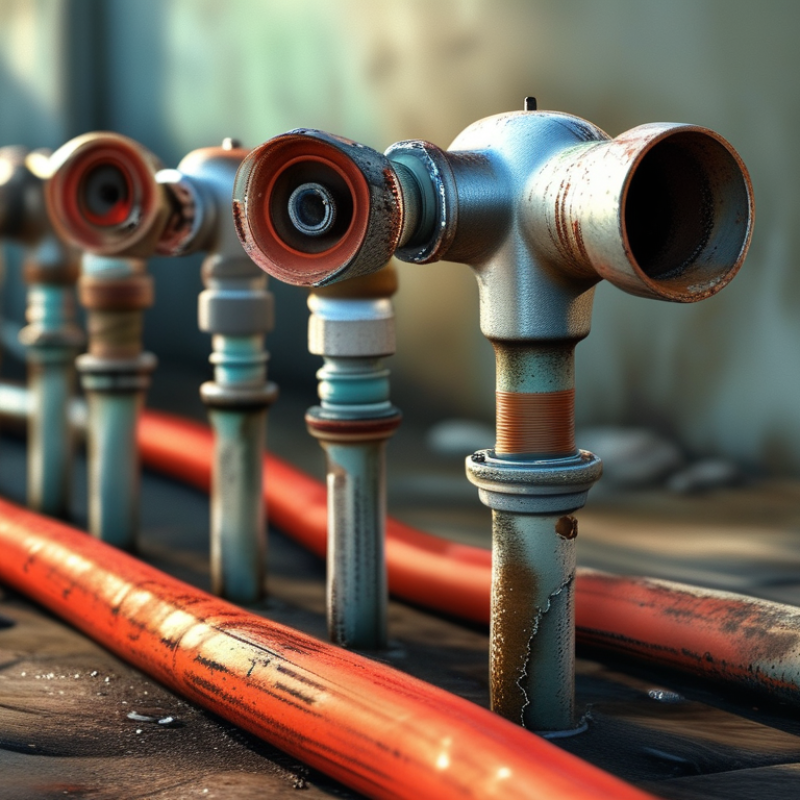
How Often Should You Inspect Automotive Hoses for Safety?

What Are Automotive Hoses and Their Functions?

Automotive hoses play a critical role in vehicle functionality. They transport fluids such as coolant, oil, and fuel. Each hose is designed to withstand high temperatures and pressures. In a typical vehicle, there are dozens of hoses performing various functions, ranging from connecting the engine to the cooling system. According to the National Highway Traffic Safety Administration, improper hose maintenance can lead to breakdowns and safety hazards.


Inspecting hoses regularly is key. Flexible rubber materials can degrade over time. Cracks, blisters, or bulges can indicate potential failures. Research suggests that up to 25% of hose-related failures occur due to neglect. While many drivers overlook hose inspections, making them a routine part of vehicle maintenance is essential.


Tip: Check for signs of wear when you inspect your vehicle. Look for discoloration or softness in the hose material.


Regular checks can prevent costly repairs. In extreme cases, a failed hose can lead to engine overheating. Keep hoses clean and free from debris. It’s often the small things that are easy to overlook.


Tip: Replace hoses every four years, or sooner if damaged. It’s better to be proactive than reactive. Remember, safety first!

Common Signs of Wear and Tear in Automotive Hoses

Inspecting automotive hoses is vital for vehicle safety. Over time, these hoses can suffer wear and tear, leading to potential failures. Regular inspections can help identify problems early. Look out for specific signs that indicate your hoses may need replacement.

Common signs of wear include cracks and fraying. These can occur due to exposure to heat or chemicals. If a hose feels brittle, it could be nearing the end of its lifespan. Additionally, check for bulges or swelling, which indicate internal pressure issues. A hose that leaks or has wet spots around it is another warning sign. These indicators can easily be missed if not closely examined.

It’s not always easy to know when a hose should be replaced. Sometimes, hoses appear fine on the outside but are damaged internally. Many drivers underestimate the importance of hose inspections. Developing a regular check routine can save you from more significant problems later.

Look, feel, and listen to your hoses—they can tell you a lot about their health.

Recommended Frequency for Inspecting Automotive Hoses

Inspecting automotive hoses is crucial for vehicle safety. Regular checks can prevent leaks and potential failures. It's recommended to inspect these hoses at least every six months. This frequency allows for early detection of cracks or wear.

When inspecting, look for visible damage. Examine the hoses for bulges, cracks, or swelling. Feel the texture; it should be smooth and firm. If any hose feels soft or spongy, it may need replacement. Pay attention to hose connections as well. Loose fittings can lead to leaks.

Even with regular checks, some drivers may overlook this aspect. Life can be busy, and that can lead to missed inspections. However, neglecting hose maintenance can result in costly repairs and safety risks. Establishing a routine helps ensure vehicle reliability and safety on the road.

Key Steps for Inspecting Automotive Hoses Safely

Inspecting automotive hoses is crucial for ensuring vehicle safety. Regular checks can prevent costly repairs and unexpected breakdowns. Look for visible signs of wear or damage. Cracks and leaks are red flags. In addition, check for bulging or soft spots. Conditions like these indicate that a hose may fail soon.

Temperature varies across different engine conditions. Hoses can deteriorate over time, especially when exposed to extreme heat or cold. Perform visual inspections every few months. Consider inspecting them more frequently during harsh weather seasons. It is also wise to replace hoses at regular intervals, even if there are no visible issues.

Always wear gloves when handling hoses. This prevents injuries from sharp edges or hot surfaces. Document your findings. You might miss something important on your next inspection. Reflect on any past issues you’ve encountered with hoses. Learn from those experiences and take proactive steps. Regular inspections build a safer driving experience.

Benefits of Regular Hose Inspections for Vehicle Longevity

Regular hose inspections are crucial for maintaining vehicle longevity. Automotive hoses are under constant pressure and can wear out over time. Visual checks can reveal cracks, bulges, or leaks. A small crack today can lead to larger issues tomorrow. When hoses fail, they can stall or damage other engine components.

Frequent inspections can help catch these issues early. Schedule inspections every few months or before long trips. Ensure that connections are secure and look for signs of wear. Even if a hose appears fine, internal damage may be present. Ignoring this can have costly consequences.

Having a professional check your hoses adds a layer of reliability. Their expertise ensures all aspects are scrutinized. Regular maintenance not only extends the life of your vehicle but also enhances safety for passengers. It’s an essential part of responsible vehicle ownership, yet many overlook it. A proactive approach could save you from unexpected breakdowns.

FAQS

: What are common signs that automotive hoses need replacement?

: Look for cracks, fraying, or signs of brittleness. Bulges or leaks indicate serious issues.

How often should I inspect my automotive hoses?

Perform visual inspections every few months. Check more often in extreme weather conditions.

What should I do if I find wet spots around a hose?

Wet spots are warning signs. This could mean there's a leak and you should replace the hose immediately.

Can hoses look fine but still be damaged internally?

Yes, some damage is not visible. Regular checks help catch internal problems early.

Why is it important to inspect automotive hoses regularly?

Regular checks can prevent costly repairs and unexpected breakdowns. They ensure safer driving.

How can temperature affect hose condition?

Extreme heat or cold can cause deterioration over time, making inspections even more crucial.

What safety precautions should I take while inspecting hoses?

Wear gloves to protect against sharp edges or hot surfaces when handling hoses.

How do I document hose inspection findings?

Keep a record of your inspections. This helps track issues and avoid missing important details.

What past issues should I reflect on during inspections?

Think about previous hose failures you've faced. Learn from these to improve your inspection routine.

Is it necessary to replace hoses even if they appear fine?

Yes, consider replacing hoses at regular intervals. Prevention is better than dealing with sudden failures.

Conclusion

Automotive hoses play a crucial role in a vehicle's operation by conveying fluids for various functions, such as cooling and fuel delivery. Over time, these hoses can show signs of wear and tear, including cracks, leaks, or bulges. To maintain safety and performance, it's essential to address the question, "How often should automotive hoses be checked?"

Experts recommend inspecting automotive hoses at least once a year, or more frequently if the vehicle is older or frequently exposed to harsh conditions. Key inspection steps involve checking for physical damage, ensuring secure connections, and assessing the flexibility of the hoses. Conducting regular inspections not only prevents unexpected breakdowns but also enhances the overall longevity of the vehicle, ensuring that it operates smoothly and safely.

Sophia

Sophia

Sophia is a dedicated marketing professional with an exceptional depth of knowledge about her company's products and services. With a keen understanding of market trends and customer needs, she crafts insightful blog posts that not only inform but also engage readers, enriching the company’s online......