Why You Should Maintain Power Steering Hoses for Longevity?

Time:2026-08-20 Author:Aria
0%

Maintaining power steering hoses is crucial for vehicle longevity. David Anderson, a seasoned automotive expert, emphasizes, "Regular checks can prevent costly repairs." When thinking about how to maintain power steering hoses for longevity, several factors come into play.

Common wear and tear on hoses can lead to leaks and steering issues. Regular inspection helps identify cracks or bulges early. It’s essential to replace any damaged hoses promptly. Drivers often overlook routine maintenance, focusing primarily on larger components. Neglecting hoses can result in diminished vehicle performance.

Furthermore, hydraulic fluid quality matters. Using the right fluid type can extend hose life. Some drivers might not realize the impact of temperature fluctuations on hoses. Extreme heat or cold can cause hoses to weaken over time. Paying attention to these details contributes to overall vehicle health. Understanding how to maintain power steering hoses for longevity is not just about repairs—it's about enhancing safety and efficiency on the road.
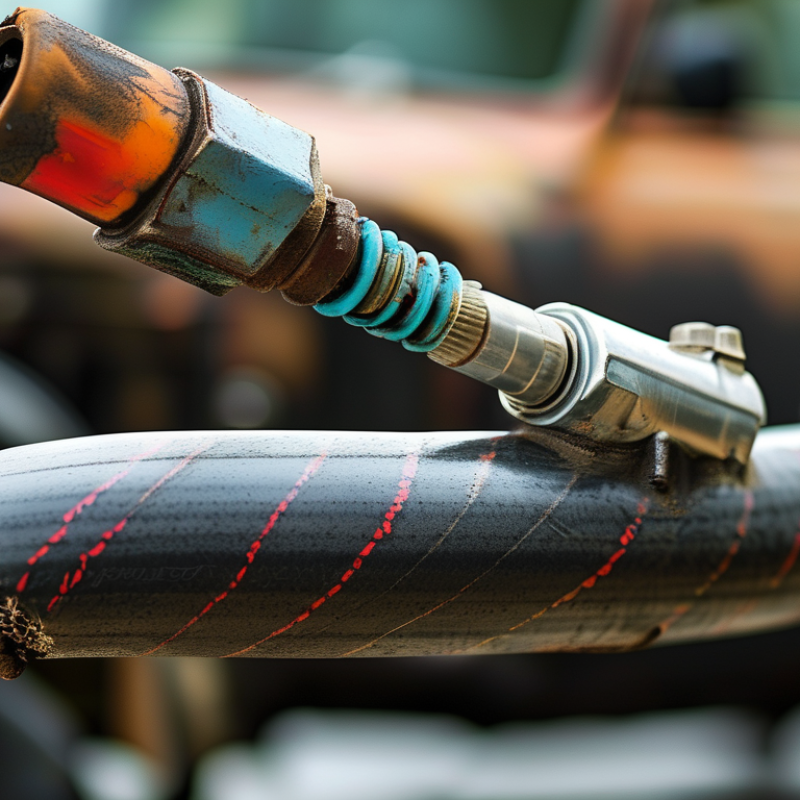
Why You Should Maintain Power Steering Hoses for Longevity?

Importance of Power Steering Hoses in Vehicle Performance

Power steering hoses play a vital role in ensuring smooth vehicle operation. They connect the power steering pump to the steering gear. This connection allows hydraulic fluid to flow, reducing the effort needed to turn the steering wheel. When these hoses are in good condition, they enhance responsiveness. However, neglect can lead to leaks and poor performance.

Regular maintenance of power steering hoses is essential for longevity. Over time, wear and tear can cause deterioration. Environmental factors, such as heat and oil exposure, can accelerate this process. Drivers may notice stiff steering or unusual noises when issues arise. These signs indicate it's time for inspection. Ignoring them can lead to more serious problems, like total steering failure.

Many vehicle owners overlook power steering hoses until it’s too late. This can result in costly repairs and unsafe driving conditions. Being proactive is crucial. Regular checks can save time and money. Clean hoses can improve fluid flow, ultimately enhancing the vehicle's handling. These practices are often overlooked, yet they make a significant difference in a car's performance.

Signs of Wear and Tear in Power Steering Hoses

Power steering hoses are critical for smooth vehicle operation. Over time, these hoses can show signs of wear and tear. Recognizing these symptoms early can save you costly repairs down the line.

One common indicator is visible leakage. If you notice fluid on the ground under your vehicle, it may be a sign of hose damage. Another sign is a stiff steering wheel. If you find it difficult to turn, the power steering system may not be delivering the necessary fluid pressure. Hoses can also develop cracks or bulges, which indicate that they are losing structural integrity. Ignoring these signs can lead to a complete hose failure.

Moreover, unusual noises during steering can signal problems. A whining or groaning sound often means your power steering pump is struggling. Delaying maintenance can result in more severe issues. Checking your hoses regularly for wear can prevent you from being stranded on the road. This proactive approach enhances both safety and longevity of your vehicle.

Proper Maintenance Practices for Power Steering Hoses

Maintaining power steering hoses is crucial for your vehicle’s performance. Regular checks can prevent costly repairs. Look for signs of wear, such as cracks or leaks. Even small issues can lead to bigger problems over time. Inspect hoses during routine maintenance. Pay attention to the connections; they can loosen and cause leaks.

Using the right fluid is essential. Always refer to your vehicle's manual for specifications. Using incorrect fluid can degrade hoses. Also, avoid exposing these hoses to extreme temperatures. High heat can damage them over time. Parking in a shaded area can make a difference.

Remember to keep your steering fluid topped up. Low fluid levels can lead to strain on hoses. If you notice changes in steering response, investigate. It might signal an issue with your hoses. Regular monitoring and care go a long way to ensuring longevity. Taking these small steps can save you from a major headache.

Importance of Proper Maintenance for Power Steering Hoses

Common Causes of Power Steering Hose Damage

Power steering hoses play a crucial role in vehicle steering systems. Damage to these hoses can lead to severe performance issues. Various factors contribute to wear and tear in power steering hoses. A common culprit is heat exposure. High temperatures can cause hoses to deteriorate, leading to leaks. According to industry reports, nearly 30% of power steering failures are linked to hose issues due to overheating.

Another significant factor is contamination. Fluid can carry dirt and debris, which may erode the hose material over time. A study revealed that contaminated fluid can reduce the lifespan of power steering hoses by up to 50%. It is essential to regularly check for signs of wear, such as cracks or bulges. Neglecting these inspections can result in unexpected failures, potentially compromising vehicle control.

Aging is also a primary cause of hose failure. Over years of use, hoses can become brittle. While everyday driving may not reveal immediate problems, unseen wear can lead to catastrophic failure. Regular maintenance checks are vital. Keeping an eye on the condition of your power steering hoses can prevent costly repairs and ensure safety on the road. Remember, proactive care can extend the life of your vehicle’s steering system significantly.

Benefits of Regular Inspections of Power Steering Hoses

Regular inspections of power steering hoses are crucial for vehicle longevity. According to a study by the Specialty Equipment Market Association, improper maintenance can lead to severe steering issues. Leaking hoses can compromise steering response, making it harder to control the vehicle. A simple inspection can prevent these costly problems.

Monitoring the condition of power steering hoses can catch signs of wear and tear early. Data from the National Highway Traffic Safety Administration suggests that over 50% of steering failures result from hydraulic hose issues. Regular checks can detect cracks or bulges before they worsen. Staying proactive can save drivers time and money on repairs.

Neglecting inspection can lead to significant risks. Many drivers overlook the importance of power steering hoses until they fail. Inadequate maintenance can reduce the lifespan of the vehicle. Many experts recommend inspecting hoses every 30,000 miles. However, not all drivers adhere to this guideline. Keeping up with maintenance can enhance vehicle safety and performance.

FAQS

: What are some signs of wear in power steering hoses?

: Signs include visible leakage, stiff steering, and cracks or bulges. Check for any fluid under the vehicle.

Why is my steering wheel difficult to turn?

A stiff steering wheel indicates that the power steering system may not deliver enough fluid pressure.

How can unusual noises affect the power steering system?

Noises like whining may mean the power steering pump is struggling. Ignoring this can lead to further issues.

What causes power steering hoses to fail?

Common causes include heat exposure, contamination from dirt, and aging of the hoses over time.

How does contamination affect power steering hoses?

Contamination can erode hose material, potentially reducing their lifespan by up to 50%. Regular fluid checks are essential.

How often should I inspect my power steering hoses?

It’s recommended to inspect hoses every 30,000 miles. Many drivers overlook this crucial maintenance.

What happens if I neglect power steering hose inspections?

Neglecting inspections can lead to unexpected failures, making steering difficult and compromising safety.

What are the benefits of regular power steering hose inspections?

Regular inspections can catch issues early, preventing costly repairs and ensuring safer vehicle operation.

How can heat exposure damage power steering hoses?

High temperatures can deteriorate hoses, leading to leaks. Overheating is a major contributor to power steering failures.

Is it common for drivers to ignore power steering hose maintenance?

Yes, many drivers neglect this aspect until serious issues arise. Awareness is important for vehicle longevity.

Conclusion

Maintaining power steering hoses is crucial for ensuring optimal vehicle performance. These hoses are essential components of the power steering system, directly affecting the steering's responsiveness and ease of use. Signs of wear and tear, such as leaks or cracks, can lead to reduced efficiency and potentially costly repairs. Proper maintenance practices, including regular inspection and timely replacement, can significantly extend the lifespan of these vital hoses.

To address the question of "How to maintain power steering hoses for longevity?", it is important to frequently check for damage, ensure proper fluid levels, and clean the hoses to prevent buildup and corrosion. Understanding common causes of hose damage, such as exposure to heat or mechanical stress, can also help drivers take proactive measures. Ultimately, regular inspections and maintenance not only enhance vehicle performance but also contribute to safer driving experiences.

Aria

Aria

Aria is a dedicated marketing professional with a deep passion for innovative strategies and a keen understanding of our company's product offerings. With a wealth of experience in the industry, Aria excels at crafting engaging content that highlights the unique features and benefits of our......