Corrosion in AC refrigerant hoses is a significant issue that can lead to costly repairs and inefficiencies. Preventing this problem is crucial for maintaining optimal performance. This guide explores key strategies on how to avoid corrosion in AC refrigerant hoses.
Using high-quality materials is vital. Many hoses are prone to corrosion due to environmental factors. Proper installation also plays a critical role. Ensure hoses are installed without damage to avoid premature wear. Regular inspections help identify potential problems early.
Attention to detail is essential. Simple maintenance tasks can prevent serious issues. Use protective coatings when necessary. This extra step can significantly extend the life of your hoses. Stay informed about new technologies and methods. Understanding the latest advancements can also help in preventing corrosion effectively.
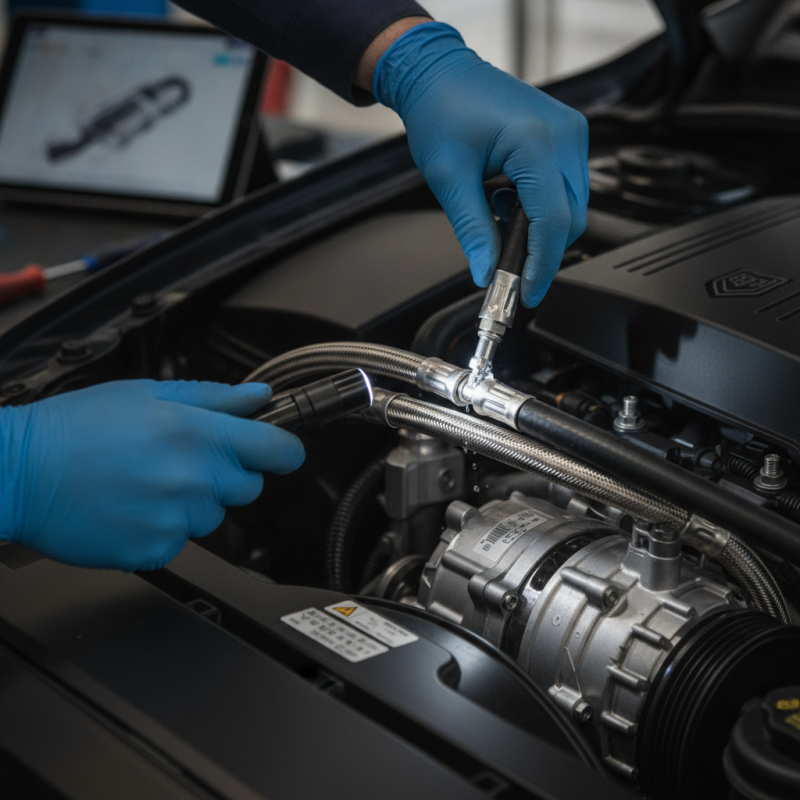
Corrosion in AC refrigerant hoses is a hidden threat. It's often caused by moisture and contaminants in the refrigerant. These elements can lead to rust and degradation of the hose material. Additionally, exposure to high temperatures accelerates this process. The combination of chemical reactions and environmental factors creates the perfect storm for corrosion.
Understanding the symptoms is crucial. Discoloration, flaking, and cracks might indicate corrosion. Regular inspections can catch these issues early. It’s also important to consider the quality of the refrigerant used. A lower quality refrigerant may contain impurities that hasten corrosion. Proper maintenance practices are essential to extend the life of your AC system.
Keeping hoses clean is vital. Contaminants can easily access the hoses if they are not properly sealed. Consider using protective covers for added insulation and protection. It’s easy to overlook these details, but a small oversight can lead to significant expenses later. Taking proactive steps now may prevent larger problems down the road.
AC refrigerant hoses are crucial for maintaining efficient cooling systems. However, their exposure to moisture, heat, and chemicals increases the risk of corrosion. The material used in these hoses significantly affects their resistance to corrosion.
Most AC refrigerant hoses are made from rubber, thermoplastic, or a combination of materials. Rubber hoses are flexible but can degrade over time due to humidity and temperature fluctuations. Thermoplastic hoses offer better resistance but may not be as flexible. Understanding these properties helps in selecting the right hoses for specific environments.
Tip: Regular inspections of hoses can detect corrosion early. Look for signs like discoloration or cracking.
Another way to prevent corrosion is by using protective coatings. These coatings create a barrier against moisture and chemical exposure. While they may add to the cost, they can extend the lifespan of hoses significantly.
Tip: Maintain proper fluid levels in your AC system. This reduces the risk of leaks that can introduce moisture into hoses.
Choosing high-quality materials and maintaining your system properly can prevent corrosion. Though challenges exist, addressing them proactively will lead to better performance and reliability of your AC system.
AC refrigerant hoses are vital components for efficient air conditioning systems. However, they are susceptible to corrosion. Over time, exposure to moisture and contaminants can lead to significant damage. According to the National Association of HVAC Contractors, approximately 15% of AC failures are linked to hose corrosion. Preventing this issue is crucial for system longevity and efficiency.
Regular inspection of hoses is essential. Check for signs of wear, leaks, or rust. Replace damaged hoses promptly to avoid costly repairs down the line. Ensure that hoses are properly secured and avoid pinching them, as this can lead to stress and corrosion at vulnerable points.
**Tips**: Use hose covers for added protection. They help shield against UV rays and moisture. Additionally, consider applying corrosion inhibitors to metal components. These can form a protective barrier, reducing the risk of damage.
Ensuring proper drainage around the unit is vital too. Standing water can accelerate corrosion in hoses. Proper maintenance practices can significantly extend the life of AC refrigerant hoses and enhance overall system performance.
Maintaining AC refrigerant hoses is crucial to prevent corrosion. Regular inspections help identify wear and tear early. They should be checked for moisture and chemical exposure, as these factors greatly contribute to corrosion. A study by the Air Conditioning Contractors of America revealed that nearly 30% of HVAC failures are due to neglected hose maintenance.
Implementing proactive replacement schedules is key. Hoses should be replaced every five years, even if no visible corrosion is seen. This practice reduces the risk of sudden failure. It's essential to use high-quality materials for replacements to ensure longevity. Investing in durable hoses can save costs over time.
**Tip:** Always clean hoses with soapy water to remove dirt and contaminants.
**Tip:** Ensure that all hose connections are tight to prevent leaks.
Maintaining the integrity of AC refrigerant hoses requires consistent effort. Focus on prevention to reduce overall costs associated with repairs. Regular maintenance is the best way to extend the life of your system. Being mindful of the environment where hoses are installed can also enhance their durability.
| Maintenance Practice | Frequency | Benefits | Notes |
|---|---|---|---|
| Visual Inspection | Monthly | Detects early signs of wear or damage | Look for cracks, discoloration, or leaks |
| Cleaning | Quarterly | Removes contaminants that cause corrosion | Use mild cleaners; avoid harsh chemicals |
| Sealant Application | Biannual | Provides a protective barrier against moisture | Ensure proper drying before application |
| Pressure Testing | Annually | Identifies leaks or weak points in the system | Conduct under professional supervision |
| Replacement of Worn Hoses | As needed | Prevents sudden failure and system damage | Use hoses that meet specified standards |
Choosing the right environment for AC refrigerant hose installation is crucial. Corrosion can occur due to moisture, heat, and other environmental factors. A dry, shaded area is ideal for installing hoses. This minimizes exposure to harsh weather conditions that accelerate degradation.
Consider using materials that resist corrosion. Stainless steel clamps and UV-resistant hoses can be beneficial. Ensure adequate ventilation in the area to prevent buildup of moisture. Avoid locations with excessive dust and debris, as they can also contribute to hose wear.
Tips for installation: Always inspect the surrounding environment. Look for signs of potential hazards. Regular maintenance is essential too. Monitor the hoses for any signs of wear or rust. Address any issues immediately to extend the life of your AC refrigerant system. Create a habit of routine checks to ensure reliability in performance.
C refrigerant hoses?
Look for discoloration, flaking, and cracks on the hoses.
Regular inspections and using protective covers can help prevent corrosion in hoses.
They are typically made of rubber, thermoplastic, or a combination of both materials.
Maintaining proper fluid levels reduces leaks that introduce moisture into the hoses.
Replace damaged hoses promptly to avoid more extensive repairs and costs later.
Yes, protective coatings can create barriers against moisture and chemicals, extending hose lifespan.
Proper drainage prevents standing water, which can accelerate corrosion in hoses.
Low-quality refrigerants may contain impurities that can worsen corrosion in hoses.
Ignoring minor signs of wear might result in costly repairs down the road.
Corrosion in AC refrigerant hoses is a significant issue that can lead to system failures and costly repairs. Understanding the causes of corrosion, such as environmental factors and material vulnerabilities, is essential to tackle this problem. To answer the question, "How to avoid corrosion in AC refrigerant hoses?", one should consider using materials with high corrosion resistance and implementing preventive measures, such as protective coatings and regular inspections.
Additionally, establishing a regular maintenance routine and choosing an appropriate installation environment can greatly enhance the longevity of these hoses. By taking these proactive steps, one can ensure reliable performance and minimize the risk of corrosion affecting the efficiency of the AC system.

Autowellix Autoparts