Engine overheating is a common issue that can lead to severe damage. One key contributor to this problem is faulty hoses, which are crucial for coolant circulation. According to automotive expert Dr. Emily Parker, "Routine inspection of hoses can save your engine from overheating." Understanding how to prevent engine overheating from faulty hoses is essential for every vehicle owner.
Inadequate hose maintenance can result in leaks or blockages. Both scenarios disrupt coolant flow, causing the engine temperature to rise. Regular checks for wear, cracks, or bulges in hoses can help identify issues early. It's vital to replace old or damaged hoses promptly. Even small leaks can lead to significant problems down the road.
Furthermore, knowledge about the signs of overheating can aid in preventive measures. Owners should notice if the temperature gauge rises too high or if steam comes from under the hood. Acting quickly can prevent catastrophic engine failures. Ultimately, maintaining hose integrity is a straightforward yet vital part of vehicle care. Prioritizing this aspect helps avoid costly repairs and ensures the engine runs efficiently.
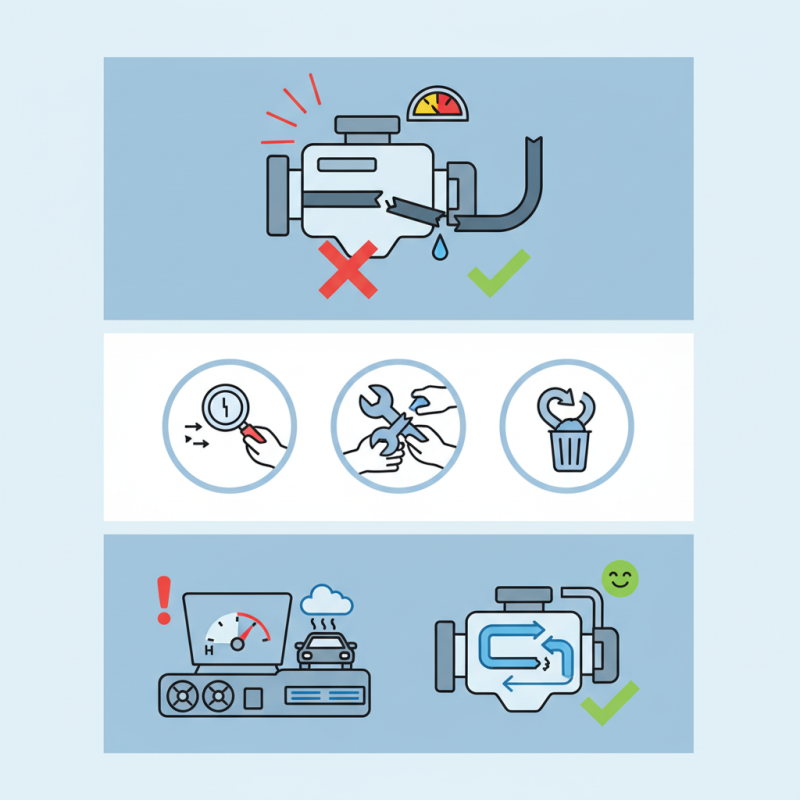
Understanding Engine Overheating and Its Causes
Engine overheating is a common issue that can arise from various causes. One significant factor is faulty hoses. Hoses transport coolant from the engine to the radiator. If they leak or collapse, coolant levels drop. This can lead to overheating. Over time, hose material deteriorates. Cracks or bulges may appear, compromising performance. Regular inspections can help identify these problems early.
Understanding the broader causes of overheating is crucial. Insufficient coolant, a failing thermostat, or a malfunctioning water pump may contribute as well. Each component plays a vital role in maintaining engine temperature. Ignoring signs like steam or warning lights can lead to catastrophic damage. Always address any strange sounds or smells promptly, as these may indicate underlying issues.
Preventative maintenance is essential for vehicle longevity. Regularly check hoses for wear. Replace them every few years, even if they appear fine. Investing time in maintenance can save costly repairs down the road. Knowledge of your vehicle’s cooling system creates reliability in high-temperature situations. Overheating may seem unavoidable, but awareness and proactive measures can greatly reduce risks.
Identifying Faulty Hoses: Signs and Symptoms
Identifying faulty hoses is crucial in preventing engine overheating. Common signs include visible cracks and bulges. These distortions happen due to age and wear. A report from the Society of Automotive Engineers states that 30% of engine overheating cases stem from hose failures. Owners should regularly inspect hoses for these imperfections.
Another symptom is coolant leakage. If you notice puddles under your vehicle, it may indicate a compromised hose. Temperature fluctuations in the engine system can worsen the condition of hoses. According to automotive experts, even a minor leak can cause a significant rise in engine temperature. Regular checks are essential.
Paying attention to these details can save you from costly repairs. Engine overheating can lead to severe damage. Drivers should keep an eye on their vehicle's performance, especially during extreme weather. Ensure all hoses are in good condition to maintain engine safety.
How to Prevent Engine Overheating from Faulty Hoses? - Identifying Faulty Hoses: Signs and Symptoms
| Sign/Symptom |
Description |
Potential Cause |
Prevention Method |
| Coolant Leaks |
Visible coolant pooling under the vehicle or along hoses. |
Cracks or wear in hose material. |
Regular inspection and replacement of old hoses. |
| Soft or Swollen Hoses |
Hoses feel soft to the touch or appear swollen. |
Exposure to oil or high heat. |
Use high-quality hoses designed for your vehicle. |
| Overheating Engine |
Temperature gauge reading higher than normal. |
Blockage or rupture in the hose. |
Flush cooling system and replace corroded hoses. |
| Bubbles in Radiator |
Bubbles indicating potential air pockets in the cooling system. |
Leaking hoses allowing air ingress. |
Check and repair all hose connections. |
Preventative Maintenance: Regular Hose Inspections
Regular hose inspections are critical to preventing engine overheating. According to a report from the Automotive Maintenance Industry, nearly 30% of engine failures are attributed to issues with cooling systems. Faulty hoses can lead to leaks, which may cause coolant loss and higher engine temperatures. Regular checks can identify cracks or wear before they lead to catastrophic failure.
Inspecting hoses should be part of routine vehicle maintenance. Look for bulges or soft spots, as these are signs of deterioration. The average lifespan of a car hose is around 4 to 6 years. Many vehicle owners overlook this simple check, relying on luck rather than preventative measures. Neglecting hose inspections can result in expensive repairs and serious engine damage.
Visual inspections can reveal more than you'd expect. A worn or damaged hose may leak or burst, especially under pressure. Industry experts recommend checking hoses at least twice a year. While it can seem tedious, it’s crucial to ensure the longevity and performance of your engine. Recognizing the need for regular inspections can save time and resources in the long run.
Engine Overheating Risk by Hose Condition
This chart displays the percentage of engine overheating incidents caused by different hose conditions based on preventative maintenance inspections. Regular inspections can significantly reduce the risks associated with faulty hoses.
Choosing the Right Replacement Hoses for Your Engine
Choosing the right replacement hoses for your engine is crucial in preventing overheating. Hoses carry vital fluids that regulate temperature. When they are worn or cracked, they can cause significant problems. It's essential to inspect hoses regularly for any signs of damage.
When selecting replacement hoses, consider the material. Some hoses are made of rubber, while others are silicone. Rubber hoses are more affordable but tend to degrade faster. Silicone hoses last longer but can be more expensive. Knowing your engine's requirements helps make an informed choice.
Tips for choosing hoses:
- Check temperature ratings. Ensure the hoses can handle your engine's heat.
- Look for proper sizing. Incorrect sizes can lead to leaks or disconnections.
- Always choose hoses with proper reinforcement. This prevents bursting under pressure.
Don’t overlook the importance of installation. Incorrectly installed hoses can also contribute to overheating. Regular maintenance can help catch issues early. Ignoring the small details can lead to costly repairs later. Stay proactive to keep your engine running smoothly.
Best Practices for Installing and Securing Hoses Properly
Installing and securing hoses properly is crucial in preventing engine overheating. A well-installed hose can withstand pressure and ensure coolant flows effectively. Begin by choosing hoses made from quality materials. Avoid damaged or worn-out hoses, as they increase the risk of leaks. When installing, pay attention to proper routing. Ensure hoses do not rub against sharp edges or hot surfaces, which reduces friction and prevents heat buildup.
Securing hoses is equally important. Use appropriate clamps that fit snugly without being overly tight. Over-tightened clamps can lead to hose damage and leaks. Regularly check clamps for tightness and signs of wear. It's easy to overlook these details, but they matter. Neglecting to address minor hose issues can lead to major engine problems later. Regular inspections can save you from costly repairs. Remember, even small oversights can create significant issues in the long run. Stay vigilant in your hose maintenance routine.
Conclusion
Engine overheating is a common problem that can lead to significant vehicle damage, often caused by faulty hoses. To address the question of how to prevent engine overheating from faulty hoses, it is essential to understand the underlying causes of overheating, such as coolant leaks or blockages. Recognizing the signs and symptoms of damaged hoses—such as cracks, bulges, or leaks—can help drivers identify potential issues early.
Preventative maintenance plays a crucial role in mitigating these risks. Regular hose inspections ensure any deterioration is caught before it leads to overheating. When replacement is necessary, choosing the right hoses that match the engine specifications is vital. Additionally, proper installation and securing of hoses are best practices that help maintain optimal engine performance and temperature control. By following these guidelines, car owners can significantly reduce the risk of engine overheating due to faulty hoses.

 Autowellix Autoparts