Reinforced hoses have gained significant popularity in various industries. Their durability and strength are critical factors for many applications. A recent industry report from Grand View Research highlights that the reinforced hose market is projected to grow at a compound annual growth rate of 5.6% from 2023 to 2030. This growth stems from the need for reliable performance in challenging environments.
So, why do reinforced hoses last longer than standard rubber hoses? The unique construction of reinforced hoses integrates layers of materials that enhance their resistance to pressure and abrasion. According to a study by the International Rubber Study Group, standard rubber hoses often fail under high-stress conditions due to their simple structure. In contrast, reinforced hoses demonstrate superior performance, thus reducing maintenance costs.
However, it's essential to consider factors like environmental impact and practicality. While reinforced hoses are more durable, they may also be heavier or less flexible than their standard counterparts. Users must reflect on their specific needs and environments when choosing the right hose. The decision between reinforced and standard rubber hoses isn't always clear-cut. It's crucial to analyze the trade-offs, costs, and benefits before making a selection.
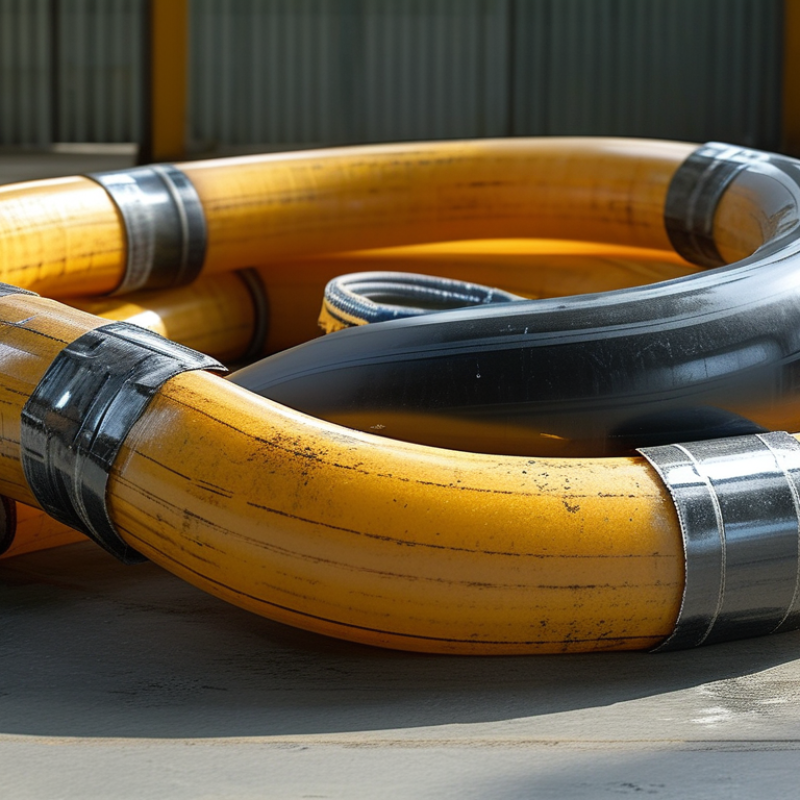
Comparison of Reinforced Hoses and Standard Rubber Hoses
Reinforced hoses are designed to withstand higher pressures and stresses than standard rubber hoses. They feature layers of reinforcement materials, which significantly enhance their strength. In various industrial applications, reinforced hoses can last up to three times longer than their standard counterparts. A report from a leading industry analysis group shows that reinforced hoses reduce the risk of leaks and ruptures by 30%.
Standard rubber hoses may be suitable for light use, but they lack the durability required for heavy-duty applications. Their flexibility is a double-edged sword; while they are easier to handle, they wear down quickly under pressure. For instance, in agriculture, where hoses must endure high-pressure water flow, the lifespan of standard rubber hoses is often just one season. In contrast, reinforced hoses can provide reliable service for several years.
Tip: Always assess the specific requirements of your application before selecting a hose type. Consider the environment, pressure, and temperature to ensure optimal performance. Investing in an appropriate hose can prevent costly downtime and enhance efficiency. The choice between reinforced and standard hoses should weigh durability and short-term costs. Make informed decisions based on your unique needs.
Material Composition: Key Differences Impacting Durability
Reinforced hoses stand out for their durability, largely due to their specific material composition. Standard rubber hoses are typically made from basic rubber compounds, which can degrade over time. In contrast, reinforced hoses use advanced materials and structures, like braided fibers. This gives them extra strength against wear, pressure, and environmental factors.
Many people overlook the importance of hose material in their selection. Structurally reinforced hoses provide a layered approach. This layering protects the core, allowing them to withstand high temperatures and pressures better than standard hoses. Additionally, they often resist abrasions and punctures, increasing longevity.
**Tip:** Always check the specifications when choosing a hose. Look for details on material composition and reinforcement.
Even with better materials, some reinforced hoses may still face challenges. For example, improper installation can stress the body, leading to premature wear. A well-installed hose maintains its integrity far longer.
**Tip:** Invest time in understanding proper installation techniques. A poorly fitted hose might not deliver the durability expected. Knowledge in usage and care systems ensures optimal performance from the hose.
Why Are Reinforced Hoses More Durable Than Standard Rubber Hoses? - Material Composition: Key Differences Impacting Durability
| Property |
Reinforced Hose |
Standard Rubber Hose |
| Material Composition |
Synthetic rubber with high tensile strength and reinforcing materials (like polyester or nylon) |
Natural or standard synthetic rubber without reinforcement |
| Flexibility |
Moderate flexibility, retains shape under pressure |
High flexibility, can deform under pressure |
| Pressure Rating |
Higher pressure rating (up to 300 PSI) |
Lower pressure rating (up to 150 PSI) |
| Temperature Resistance |
Better thermal stability, suitable for extreme temperatures (-40°C to +100°C) |
Limited temperature range (-20°C to +60°C) |
| Durability |
Exceptional durability, resistant to abrasion, cuts, and wear |
Less durable, prone to cuts and wear over time |
| Cost |
Generally higher due to material and manufacturing process |
Lower cost, more accessible |
Manufacturing Processes: How Reinforcement Enhances Performance
Reinforced hoses stand out due to their manufacturing processes, which focus on durability and performance. Unlike standard rubber hoses, reinforced hoses incorporate layers of materials that enhance their strength. This construction often includes woven strands or mesh, which provide support against pressure and external forces. The added reinforcement allows these hoses to handle higher temperatures and pressures without deformation.
During production, the quality of raw materials plays a significant role. High-grade compounds mixed with strength-boosting elements ensure longevity. However, the complexity of reinforcement can also introduce challenges. For instance, improper layering may weaken the hose instead of strengthening it. Furthermore, reinforcing materials can add weight, affecting handling and installation. Manufacturers must balance these aspects to create effective hoses. This balancing act requires expertise and attention to detail to ensure reliability in performance.
Application Scenarios: When to Use Reinforced Hoses Over Standard Ones
In various industrial applications, choosing the right hose can be critical.
Reinforced hoses are ideal for high-pressure environments.
They are designed with multiple layers to withstand greater strain. This makes them suitable for hydraulic systems or heavy machinery operations.
Standard rubber hoses simply cannot take the abuse.
In agriculture, for instance, reinforced hoses provide reliability.
They can handle sharp bends and high flow rates without compromising performance. This is crucial for irrigation systems that require durability.
On construction sites, these hoses protect against leaks and breakage, minimizing downtime.
While standard hoses might suffice in low-pressure settings, reinforced options offer peace of mind.
In firefighting, reinforced hoses are non-negotiable.
They withstand extreme temperatures and pressures, which standard hoses cannot endure.
However, they can be heavier and more costly. Users must assess if the investment aligns with their specific needs.
Reflecting on these details aids in making informed decisions.
Industry Standards: Durability Ratings and Performance Metrics Explained
Reinforced hoses are designed to withstand more pressure and temperature variations than standard rubber hoses. They often feature layers of synthetic fibers or steel mesh that enhance their strength. This construction helps prevent bursting or kinking, which commonly occurs in lay-flat and traditional hoses.
Industry standards play a crucial role in evaluating the durability of hoses. These ratings include metrics such as tensile strength, abrasion resistance, and temperature tolerance. The higher the rating, the better suited the hose is for demanding applications. When selecting a hose, it's essential to consider these metrics to ensure optimal performance.
Tip: Always check the specifications of a hose before making a purchase. Look for data on its pressure limits and material durability. A stronger hose may have a higher initial cost, but its longevity can save money in the long run.
Another consideration is how hoses are stored and maintained. Proper handling can significantly impact their lifespan. Avoid excessive twisting or bending, and keep hoses clean and dry when not in use.
Tip: Regularly inspect hoses for wear and damage. Early detection can prevent significant failures. Consider replacing hoses that show signs of fatigue or damage, as it could lead to hazardous situations in high-demand environments.
Durability Comparison of Reinforced Hoses vs Standard Rubber Hoses
This chart illustrates the durability ratings of standard rubber hoses compared to reinforced hoses, showcasing their performance under pressure. Reinforced hoses are significantly more durable at 500 PSI compared to the 200 PSI rating of standard rubber hoses.
Conclusion
Reinforced hoses are designed to offer superior durability compared to standard rubber hoses, primarily due to differences in material composition and manufacturing processes. The key factors that contribute to this enhanced longevity include the use of stronger materials and the integration of reinforcement layers, which help withstand higher pressures and harsher conditions. This construction not only increases their resilience but also extends their lifespan in various application scenarios.
When considering the question, "Why do reinforced hoses last longer than standard rubber hoses?" it is essential to acknowledge the role of industry standards and performance metrics that evaluate durability. Reinforced hoses are often rated higher in these assessments, making them the preferred choice in environments where reliability and efficiency are critical. Understanding these distinctions is crucial for selecting the appropriate hose for specific applications, ensuring optimal performance and longevity.

 Autowellix Autoparts