Understanding how to check for air bubbles in coolant lines is crucial for maintaining your vehicle's performance. According to John Thompson, an automotive engineer with over 20 years of experience, "Air bubbles can disrupt coolant flow, leading to overheating and engine damage." Ensuring that your coolant system is free from air pockets can save you time and money in repairs.
Many vehicle owners overlook the importance of this maintenance task. Air bubbles can form in various ways, including improper filling or leaks in the system. Checking for these bubbles is not complicated but requires attention to detail. You may need to inspect hoses and connections. Regular checks can enhance your vehicle's reliability.
When you consider how to check for air bubbles in coolant lines, you need to understand the signs. Look for fluctuations in your temperature gauge or unusual noises. Both may indicate air in the system. Addressing this issue promptly will help ensure smooth operation and prevent costly damage.
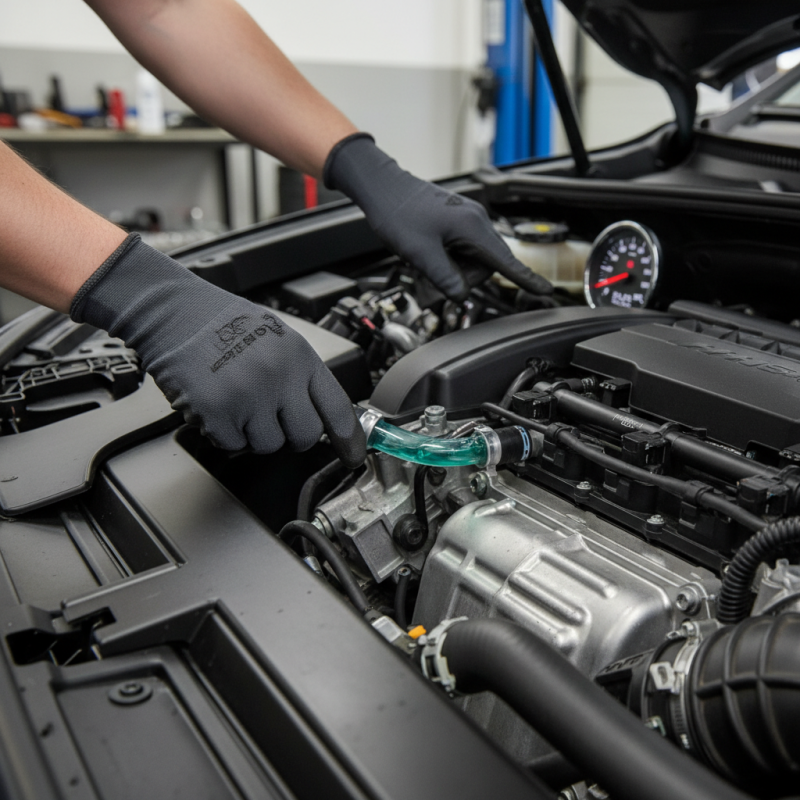
Understanding the importance of air bubble detection in coolant lines is crucial for maintaining effective engine performance. The presence of air bubbles can disrupt coolant flow, leading to overheating and potential engine damage. According to a report by the Society of Automotive Engineers (SAE), approximately 30% of engine failures are attributed to inadequate cooling. This statistic highlights the necessity of monitoring for air bubbles.
Air bubbles in coolant lines reduce the efficiency of heat transfer. When coolant flow is interrupted, hot spots can emerge, creating severe engine stress. A study by the International Journal of Engine Research found that even small amounts of air can decrease cooling system efficiency by 15-20%. Understanding this principle is essential for preventive maintenance.
Technicians often overlook air bubble detection. Simple checks can save substantial repair costs. Regular maintenance schedules should include bubble detection procedures. Ignoring these checks may lead to underestimating potential engine issues. Maintaining air-free coolant lines is not just about performance; it is about preventing costly repairs and ensuring vehicle longevity.
The following chart illustrates the effectiveness of different methods for detecting air bubbles in coolant lines. Each method's performance is rated based on a scale from 1 to 10, indicating how well the method identifies air bubbles.
Air bubbles in cooling systems can lead to serious engine issues. Early detection of these bubbles is crucial. Common symptoms include fluctuations in engine temperature and inconsistent heating. If you notice your temperature gauge jumping around while driving, air pockets may be forming.
Another sign is an unusual noise. You might hear gurgling sounds coming from the coolant reservoir. This can indicate trapped air attempting to escape. Additionally, if your heater isn’t functioning properly on colder days, it could be due to air in the lines. This prevents warm coolant from circulating effectively.
A bubbling sensation in the radiator cap is another point to consider. If you feel this while checking your coolant, it’s time to address the issue. Lack of proper coolant flow can lead to overheating and engine damage. These symptoms reflect how vital it is to maintain a coolant system free of air bubbles. Regular checks and basic knowledge can save you from potential problems and costly repairs.
Inspecting coolant lines for air bubbles is crucial for maintaining a vehicle's performance. Air bubbles can lead to overheating and reduced efficiency. Start by locating the coolant reservoir. Make sure the engine is cool before opening it. This is an important step to avoid burns. Check the coolant level and look for any signs of bubbles. A fluctuating level can indicate trapped air.
Next, visually inspect the coolant lines. Look for signs of wear or damage. Deteriorated lines can introduce air into the system. Gently squeeze the hoses. A soft spot may signal a problem. You can also tap on the coolant lines to dislodge trapped air. Sometimes, just a little movement helps release bubbles trapped inside.
After performing these checks, it's wise to run the engine. Observe the temperature gauge closely. If it rises too quickly, air may still be present. Parking on a slope can help. As a final tip, review your inspection methods regularly. There is always something new to learn. Each vehicle may reveal different issues, requiring an adaptive approach.
Air bubbles trapped in coolant lines can lead to overheating and system inefficiencies. Identifying and removing these bubbles is crucial for optimal performance. One effective technique involves using a coolant vacuum filler. This tool helps create a vacuum that draws coolant and clears air pockets simultaneously. A study from the Automotive Service Association shows that using vacuum tools can reduce air bubbles by up to 90%.
Another method is the bleed valve process. Engineers recommend bleeding the system after any coolant change or repair. This process ensures that trapped air is expelled. It’s vital to follow the manufacturer’s instructions closely. A 2021 report highlighted that 25% of engine overheating issues stemmed from improper air bubble removal. This statistic underscores the importance of not rushing the bleeding process. Leveraging simple tools like hose clamps can also help maintain positive pressure during bleeding.
Visual checks are equally essential. Observing coolant flow and temperature gauges can provide immediate feedback. Systems with a high presence of bubbles often show erratic temperature readings. Regular maintenance can help in identifying these bubbles early. However, professionals often overlook this straightforward task, leading to bigger issues down the road. By employing a combination of these methods, you can enhance system reliability and efficiency.
Air bubbles in coolant lines can lead to overheating and reduced efficiency. To prevent these issues, proper maintenance is essential. Start by regularly checking coolant levels. Keeping the coolant reservoir full minimizes the chances of air entering the system. Pay attention to any leaks or cracks in hoses. These can allow air to enter, creating bubbles that disrupt flow.
Flushing your coolant system periodically is another crucial step. This ensures that old coolant is replaced and helps to remove any contaminants. Always use the correct filling method. When adding coolant, do so slowly and ensure there are no gaps. Using a vacuum fill tool can help eliminate air pockets effectively.
Monitoring the temperature gauge is also beneficial. Sudden changes might indicate trapped air. If you notice unusual fluctuations, investigate promptly. Even with proactive measures, air bubbles may still occur. Regular maintenance checks and being attuned to your vehicle's behavior can help catch problems early. Assessing your approach now can lead to smoother coolant flow in the future.
: Air bubbles can cause overheating and reduce vehicle efficiency.
Check the coolant level and look for fluctuations or bubbles in the reservoir.
Ensure the engine is cool to avoid burns and injuries.
A coolant vacuum filler can create a vacuum to clear air pockets effectively.
It's recommended to bleed the system after any coolant change or repair.
Erratic temperature readings on the gauge can signal the presence of air bubbles.
Regularly check coolant levels and monitor for leaks or cracks in hoses to minimize risks.
Trapped air can lead to overheating, which might cause serious engine damage.
Periodically flush the system to replace old coolant and remove contaminants.
Investigate promptly, as this could indicate trapped air in the system.
Understanding how to check for air bubbles in coolant lines is essential for maintaining an efficient cooling system in any vehicle. Air bubbles can disrupt the flow of coolant, leading to overheating and potential engine damage. The article outlines common symptoms of air bubbles, such as fluctuating temperature gauges and unusual noises from the engine bay.
To effectively inspect coolant lines, a step-by-step guide is provided, detailing how to visually and physically assess the lines for air inclusion. It discusses essential tools and techniques for removing any detected air bubbles, ensuring optimal coolant flow. Additionally, the article emphasizes preventive measures to avoid future occurrences of air bubbles, helping to safeguard the integrity and performance of the cooling system.

Autowellix Autoparts