Top 5 Reasons Why Gearbox Oil Pipe Failures Occur?

Time:2026-04-29 Author:Isabella
0%

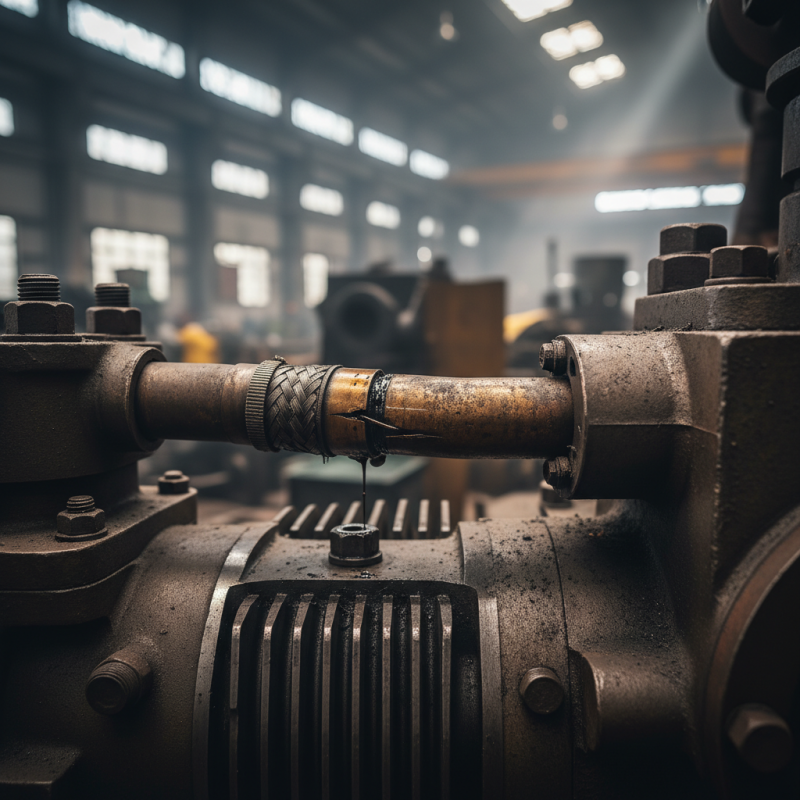
When discussing industrial machinery, gearbox oil pipe failures can significantly impact performance. Understanding "What causes gearbox oil pipe failures?" is crucial for maintenance and operational integrity. These failures often stem from a variety of issues, ranging from manufacturing defects to improper installation practices.

Regular inspections are vital as wear and tear can lead to catastrophic breakdowns. Monitoring the oil quality and pipe condition plays a key role in prevention. Many factors, such as fluctuating temperatures and pressure changes, can exacerbate these issues. Ignoring early signs of failure can result in costly repairs and downtime.

Practitioners should reflect on their current practices. Are they proactive in preventing these failures? Analyzing the common causes helps identify weak points in machinery maintenance. Recognizing potential pitfalls can enhance reliability and overall operation. Taking these steps ensures a more efficient and sustainable system.
Top 5 Reasons Why Gearbox Oil Pipe Failures Occur?

Common Gearbox Oil Pipe Materials and Their Vulnerabilities

Gearbox oil pipes are critical components in ensuring efficient operation. The materials used in these pipes often dictate their vulnerability to failures. Common materials include steel, aluminum, and plastic composites. Each has unique properties that can lead to distinct weaknesses.

Steel pipes are strong but prone to corrosion. According to industry reports, up to 30% of gearbox failures are linked to rust formation. This rust can inhibit fluid flow, leading to overheating. Aluminum pipes are lightweight but can suffer from fatigue. Research indicates that they can crack under high-pressure conditions, especially if subjected to repeated cycling.

Plastic composites offer flexibility but can degrade under extreme temperatures. Reports suggest that these materials can become brittle, leading to breakage. It's crucial for engineers to consider these vulnerabilities when choosing materials for gearbox oil pipes. Regular inspections and proper maintenance can mitigate many of these risks. Identifying potential weak points should be a priority for ensuring longevity and performance in gearbox systems.

Factors Contributing to Gearbox Oil Pipe Fatigue and Wear

Gearbox oil pipes endure significant stress during operation. Various factors contribute to their fatigue and wear. High-pressure conditions can lead to material degradation over time. If the oil is not sufficiently filtered, contaminants can accelerate this wear. Additionally, temperature fluctuations can cause thermal expansion, impacting the pipe's integrity.

Poor installation practices often lead to premature failures. Misalignment can create unnecessary stress points. Over time, these points may develop leaks, compromising the entire system. Corrosion is another silent enemy; it weakens the material and can eventually cause catastrophic failures. Regular inspections can help detect these vulnerabilities early.

A lack of routine maintenance invites problems. Neglecting to change oil regularly leads to sludge accumulation. This buildup obstructs flow and increases pressure, further straining the pipes. Training personnel on proper procedures is essential. However, implementation can be inconsistent, leaving room for errors. It's crucial to address these shortcomings to avoid future failures.

Impact of Operating Temperature on Gearbox Oil Pipe Integrity

Operating temperature plays a crucial role in the integrity of gearbox oil pipes. High temperatures can cause the oil to degrade, leading to reduced lubrication efficiency. Research indicates that for every 10°C increase, oil viscosity can drop by 10%. This change affects flow rates and increases wear on components. When the oil cannot effectively lubricate gears, it raises the risk of mechanical failure.

Additionally, thermal expansion can stress the oil pipes. Metal components expand when heated. Misalignment may occur, which can lead to leaks and cracks. A study from the American Society of Mechanical Engineers noted that nearly 30% of gearbox pipe failures are temperature-related. The interplay of heat and pressure can exceed the material limits of the pipes, resulting in catastrophic failures.

Monitoring operating temperatures is vital. Many operators overlook this factor, leading to preventable incidents. Regular inspections and thermal imaging can identify potential issues before they become serious. Relying solely on scheduled maintenance may not capture rapid temperature fluctuations, which can occur in dynamic environments. Being proactive could save time and costs associated with unexpected failures.

Impact of Operating Temperature on Gearbox Oil Pipe Integrity

The Role of Oil Quality in Gearbox Pipe Failure Rates

The quality of gearbox oil plays a crucial role in the failure rates of oil pipes. Poor oil quality can lead to increased wear and tear. A recent study from the American Society of Mechanical Engineers reported that 70% of gearbox failures are related to inadequate lubrication. When oil breaks down, its viscosity decreases, reducing its ability to protect components effectively.

High temperatures often result from oil degradation. This can exacerbate the problem, leading to blockages and pipe failures. In fact, a critical report indicated that 60% of premature gearbox failures are due to oil-related issues. Regular inspections can help detect changes in oil quality early.

Tip: Always use oil that meets or exceeds manufacturer specifications.

Contaminants in oil can also contribute to gearbox failures. Particles from wear can compromise the fluid's integrity. A study found that up to 40% of gearbox malfunctions stem from contamination. Maintaining cleanliness in the lubrication system is essential.

Tip: Implement a routine oil analysis to monitor for contaminants.

Preventative Maintenance Strategies for Reducing Oil Pipe Failures

Preventative maintenance is crucial for minimizing gearbox oil pipe failures. Regular inspections can catch small issues before they turn into major problems. Checking for leaks and wear might seem tedious, yet it's vital. Small cracks can lead to significant oil loss and eventual breakdown.

One effective strategy involves ensuring that all fittings are tightened to specification. Loose connections often contribute to oil leaks. Furthermore, using the right tools for your equipment can prevent mishaps during maintenance. It's important to clean the oil pipes regularly. Accumulated debris can cause clogs, which lead to excessive pressure and failures.

Don't overlook the impact of environmental factors. Heat and contaminants can degrade oil quality. Regular oil changes are not just a suggestion; they are essential. It’s also essential to train staff on proper maintenance techniques. Mistakes can happen if team members are not properly informed. This might lead to operational downtime and unexpected costs. Everyone plays a role in ensuring the system runs smoothly.

FAQS

: What materials are commonly used for gearbox oil pipes?

: Common materials include steel, aluminum, and plastic composites. Each has unique properties and vulnerabilities.

What is a major vulnerability of steel pipes?

Steel pipes are strong but often prone to corrosion. Rust can hinder fluid flow and cause overheating.

How do aluminum pipes fail?

Aluminum pipes can crack under high pressure, especially with repeated cycling or fatigue stress.

What issues arise with plastic composite pipes?

Plastic composites are flexible but can degrade at extreme temperatures, becoming brittle and breaking.

How does operating temperature affect gearbox oil pipes?

High temperatures can degrade oil, reducing lubrication efficiency and increasing wear on components.

What is the impact of temperature on oil viscosity?

For every 10°C rise in temperature, oil viscosity can drop by 10%, affecting flow rates and lubrication.

What causes leaks and cracks in metal pipes?

Thermal expansion can cause misalignment, leading to leaks and cracks in metal components.

How can regular inspections help gearbox systems?

Regular inspections can identify vulnerabilities, helping to prevent mechanical failures and extend lifespan.

Why is monitoring operating temperatures important?

Many overlook temperature monitoring, leading to preventable failures and increased maintenance costs.

What should operators do to avoid temperature-related failures?

Operators should adopt proactive measures like thermal imaging for real-time monitoring of temperature changes.

Conclusion

Gearbox oil pipe failures can be attributed to several critical factors that impact their integrity and longevity. What causes gearbox oil pipe failures? A primary reason is the choice of materials, which often exhibit vulnerabilities that lead to fatigue and wear over time. Additionally, the operating temperature plays a significant role, as extreme heat can exacerbate material breakdown and compromise structural integrity.

Another important factor is the quality of oil used; subpar lubricant can increase the failure rates of these pipes. To mitigate these issues, implementing preventative maintenance strategies is essential. Regular inspections, timely replacements, and using high-grade oil can significantly reduce the likelihood of oil pipe failures, ensuring the longevity and efficient operation of the gearbox system.

Isabella

Isabella

Isabella is a dedicated marketing professional with a sharp focus on driving brand growth and engagement through strategic content creation. With an extensive background in digital marketing, she combines her passion for storytelling with her keen understanding of industry trends to deliver......