Top 10 Tips for Routing Oil Cooler Hoses for Best Performance?

Time:2026-06-16 Author:Isabella
0%

Routing oil cooler hoses effectively is crucial for enhancing performance. Many enthusiasts overlook the importance of this aspect. Proper routing ensures optimal oil flow and temperature control. You might wonder, how to route oil cooler hoses for optimal performance?

This article shares key insights into achieving the best results. Attention to detail matters. For instance, minimizing bends and avoiding kinks can significantly impact oil flow. Each twist in the hose can create resistance, leading to inefficiency.

Experience shows that a well-planned route can prevent leaks. Insufficient support for the hoses might lead to wear over time. It's vital to review your setup regularly. Check for signs of damage and make adjustments as needed. Through this article, you’ll find practical tips that can elevate your engine’s performance.
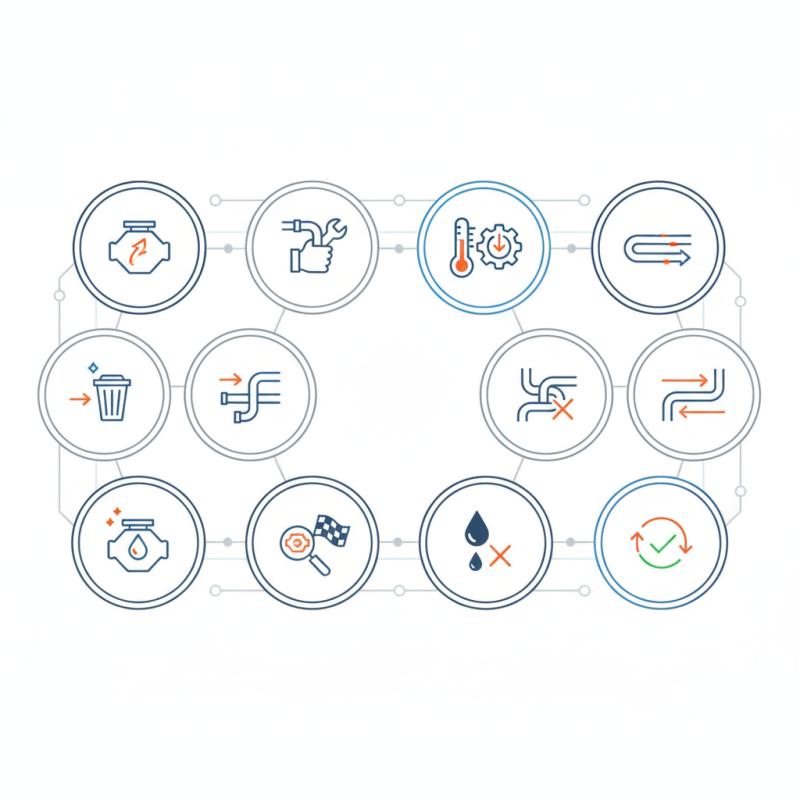
Top 10 Tips for Routing Oil Cooler Hoses for Best Performance?

Understanding the Importance of Proper Hose Routing for Oil Coolers

Proper routing of oil cooler hoses is crucial for optimal performance. Studies show that incorrect routing can lead to increased oil temperature. Elevated temperatures can degrade oil viscosity, reducing lubrication efficiency. This is particularly concerning in high-performance vehicles where maintaining cooler oil temperatures is essential for engine longevity.

When routing oil cooler hoses, avoid sharp turns and kinks. These can restrict oil flow, increasing pressure drop. Research indicates that even minor deviations in hose placement can impact the cooling efficiency by up to 20%. Additionally, using radiant heat shields can further protect hoses from heat transfer, enhancing overall system performance.

The choice of materials is equally important. Fluid dynamics studies demonstrate that the inner surface of hoses significantly affects flow characteristics. Smooth surfaces can reduce turbulence, while rough textures can increase friction. Regular inspections are vital. Monitoring for wear, leaks, or degradation ensures hoses perform as intended. It's easy to overlook these details, but they play a significant role in the effectiveness of oil coolers.

Choosing the Right Materials for Oil Cooler Hoses

Choosing the right materials for oil cooler hoses is essential for optimal performance. High-quality hoses can withstand extreme temperatures and pressures.

Silicone and rubber are popular choices, but each has pros and cons. Silicone offers flexibility and heat resistance, while rubber provides durability within a broader temperature range.

However, not all silicone or rubber hoses are created equal. Some may degrade quickly in harsh conditions, leading to leaks. Reinforced hoses can enhance longevity, but they may be stiffer. Consider using braided steel or other materials for high-performance applications. These options offer excellent abrasion resistance.

Take time to test different hose types. Monitor how they react under various temperatures and pressures. It's essential to find a balance between flexibility and strength. This balance may require some experimentation.

Adjustments might be necessary based on specific vehicle and usage. Prioritizing the right materials can significantly impact your engine's efficiency and lifespan.

Best Practices for Routing Oil Cooler Hoses to Minimize Kinks

Routing oil cooler hoses correctly is crucial for optimal performance. A poor routing can lead to kinks and constraints. These issues can cause hose failure and decreased efficiency. Therefore, ensuring smooth and direct paths for these hoses is essential.

One key tip is to avoid sharp bends. Instead, aim for gentle curves. This reduces stress on the material. Additionally, use appropriate clamps to secure hoses. These prevent unwanted movement during operation. Ensure that the hoses are routed away from heat sources. Excessive heat can degrade the hose material over time.

When installing, check for adequate length. Hoses that are too short may lead to tension. Conversely, overly long hoses can create additional complications. Regular inspection is important to identify any potential damage. Remember that even minor kinks can lead to significant issues. Being attentive to these small details can enhance the overall system's reliability.

Top 10 Tips for Routing Oil Cooler Hoses for Best Performance

Optimal Placement of Oil Cooler Hoses for Effective Cooling

When routing oil cooler hoses, optimal placement is crucial for effective cooling. Start by positioning the hoses away from heat sources. Avoid routing them too close to the engine or exhaust components. This simple adjustment can significantly enhance the cooling process.

Consider the bends and twists in the hoses. Sharp bends can constrict flow and reduce cooling efficiency. It’s beneficial to use smooth curves instead. Ensuring the hoses remain insulated from high temperatures also improves performance. Insulation can protect them from heat damage and maintain lower oil temperatures.

Routine inspections are vital. Look for signs of wear or damage. Hoses can experience fatigue over time, which can lead to leaks. Contact with other components can create friction points. Regular checks can identify these issues early, promoting reliable cooling.

Regular Maintenance Tips for Long-lasting Oil Cooler Performance

Maintaining your oil cooler is crucial for optimal performance. Regular inspections can help identify wear and tear. Check for leaks or cracks in the hoses. A simple visual inspection can reveal larger issues before they escalate. Pay attention to any changes in fluid levels. Low oil may indicate a problem.

Clean the cooler surfaces to prevent build-up. Dirt can restrict flow and reduce efficiency. Soft brushes or cloth can help remove debris. Make sure to flush the system periodically. This helps eliminate contaminants that can harm the oil.

Monitoring operating temperatures is vital. If the engine runs hot, it may signal a failing cooler. Listening for unusual sounds can also provide clues. Ideally, routine maintenance should become a habit. Neglecting these tasks can lead to costly repairs. Understand that performance issues may not show immediate signs. Regular care can extend your oil cooler's lifespan.

Top 10 Tips for Routing Oil Cooler Hoses for Best Performance

Tip Number Tip Description Expected Outcome
1 Use the shortest route possible for hoses. Reduced pressure loss and better flow.
2 Avoid sharp bends and kinks in hoses. Ensured smooth fluid flow and minimized wear.
3 Use high-quality hose materials. Increased longevity and resistance to damage.
4 Secure hoses with proper clamps. Prevents leaks and ensures reliability.
5 Route hoses away from heat sources. Maintains optimal fluid temperature.
6 Check for potential pinch points. Prevents hose damage during operation.
7 Regularly inspect for leaks. Early detection of issues and maintenance.
8 Use protective sleeves where necessary. Adds an extra layer of protection from abrasion.
9 Avoid routing hoses near moving parts. Minimizes risk of wear and damage.
10 Follow manufacturer routing guidelines. Ensures compliance with best practices.

FAQS

: Why is proper routing of oil cooler hoses important?

: Proper routing avoids kinks and constraints that can lead to hose failure and reduced efficiency.

What should I avoid when routing hoses?

Avoid sharp bends. They can cause stress and constrict flow.

How can I secure oil cooler hoses during installation?

Use appropriate clamps. They prevent unwanted movement while in operation.

Where should I position the oil cooler hoses?

Position hoses away from heat sources, like the engine and exhaust components.

What can excessive heat do to hoses?

Excessive heat degrades hose material, leading to potential failure over time.

How important are regular inspections of oil cooler hoses?

Regular inspections are vital to spot wear or damage, which may lead to leaks.

What effect do hose lengths have on routing?

Short hoses can create tension; overly long hoses introduce complications.

What happens if there are minor kinks in hoses?

Even minor kinks can result in significant issues, affecting reliability.

How can insulation help oil cooler hoses?

Insulation protects hoses from heat damage and helps maintain lower oil temperatures.

What should I check during routine inspections?

Look for signs of wear, damage, and friction points with other components.

Conclusion

In the pursuit of optimal performance for oil coolers, understanding how to route oil cooler hoses is crucial. Proper hose routing is not only essential for maintaining efficient oil flow but also plays a significant role in preventing issues such as kinks and overheating. By selecting the appropriate materials for hoses and adhering to best practices for routing, enthusiasts can ensure that their oil cooling systems operate at peak efficiency.

Additionally, placing oil cooler hoses strategically can enhance cooling effectiveness, while regular maintenance checks will contribute to the longevity of the cooling system. Ultimately, mastering how to route oil cooler hoses for optimal performance can significantly improve a vehicle's overall reliability and functionality.

Isabella

Isabella

Isabella is a dedicated marketing professional with a sharp focus on driving brand growth and engagement through strategic content creation. With an extensive background in digital marketing, she combines her passion for storytelling with her keen understanding of industry trends to deliver......