Explore our top-tier automotive coolant, lubrication, air conditioning, and industrial-grade transfer piping systems engineered for severe environments.
Analyzing the global shift toward zero-emission heavy transportation and the critical function of Selective Catalytic Reduction systems.
In the wake of increasingly stringent emissions laws across the globe—such as Euro VI in Europe, EPA Tier 4 in North America, and China VI domestically—heavy-duty diesel vehicle manufacturers face the immense challenge of minimizing Nitrogen Oxide (NOx) emissions. The primary and most efficient method to address this is the **Selective Catalytic Reduction (SCR)** system, which relies heavily on **Diesel Exhaust Fluid (DEF)**, commonly known as **AdBlue** (a standardized aqueous solution consisting of 32.5% high-purity urea and 67.5% deionized water).
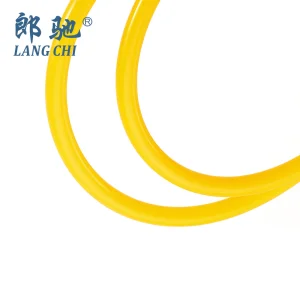
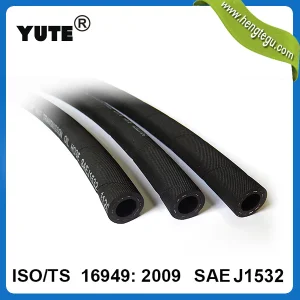
An SCR system is only as reliable as its weakest connection. Because AdBlue freezes at -11°C (12.2°F) and is highly sensitive to chemical contamination, standard industrial rubber hoses are entirely inadequate. Delivering AdBlue from the onboard reservoir to the dosing unit requires highly specialized **AdBlue Urea Hoses**. These must resist internal chemical erosion, survive extreme external cold, and prevent impurities from leaching into the catalytic chamber, which could permanently foul the expensive catalyst substrate.
“Regulatory compliance in emission reduction demands not just efficiency, but absolute system reliability. Our AdBlue Urea Hose designs focus on eliminating downtime by guaranteeing continuous fluid flow under extreme thermal and chemical fluctuations.”
Consequently, procurement divisions inside global commercial automotive OEMs focus on identifying Chinese manufacturers who exhibit high engineering depth, strict conformity to **ISO 22241** specifications, and robust production processes capable of keeping pace with the logistics requirements of international supply chains.
A detailed look at thermoplastic and elastomer configurations required to maintain compliance with ISO 22241-1.
Polyamides serve as the industry standard inner lining for SCR hoses. PA12 possesses exceptionally low extractable profiles, meaning it does not leach metallic ions or organic compounds into the AdBlue solution, preserving catalyst chemistry.
For applications demanding high flexibility and high dynamic bending tolerances, peroxide-cured EPDM offers exceptional ozone and thermal resistance without risk of contamination, outperforming sulfur-cured variants.
Bridging the gap between rubber flexibility and plastic processing ease, TPV layers offer lightweight structural integrity, advanced damping characteristics, and direct heat-welding capability to quick-connectors.
| Material Class | Temperature Range | Chemical Resistance (AdBlue/DEF) | Permeation Rate | Key OEM Application |
|---|---|---|---|---|
| PA12 (Polyamide) | -40°C to +125°C | Excellent (No metallic extraction) | Extremely Low | Rigid SCR dosing lines & quick-connect assemblies |
| Peroxide-Cured EPDM | -40°C to +150°C | Good (Requires barrier inner core) | Moderate | Engine-to-chassis flexible crossover lines |
| TPV (Thermoplastic Vulcanizate) | -40°C to +135°C | Excellent | Low | Protective over-moldings & intermediate flexible tubes |
| FKM (Fluorocarbon Elastomer) | -20°C to +200°C | Superior (High-cost threshold) | Virtually Zero | High-temp zones near turbochargers & exhaust manifolds |
How advanced electronics and heat distribution technologies preserve fluid flow in sub-zero environments.
Because AdBlue consists of 67.5% deionized water, it begins to crystallize and freeze at **-11°C (12.2°F)**. In cold climates like Northern Europe, North America, and Northern China, an unheated SCR line will freeze solid, shutting down the emission control system and causing the vehicle's onboard diagnostics (OBD) to force the engine into a "limp mode."
To prevent freeze-ups and accelerate defrost cycles, leading manufacturers develop **Heated Urea Hoses**. These systems integrate electrical heating elements directly along the fluid tube. The engineering configuration typically consists of:
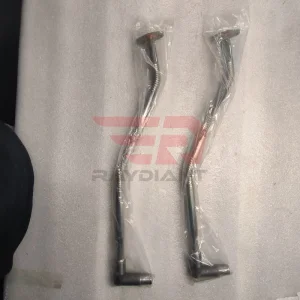
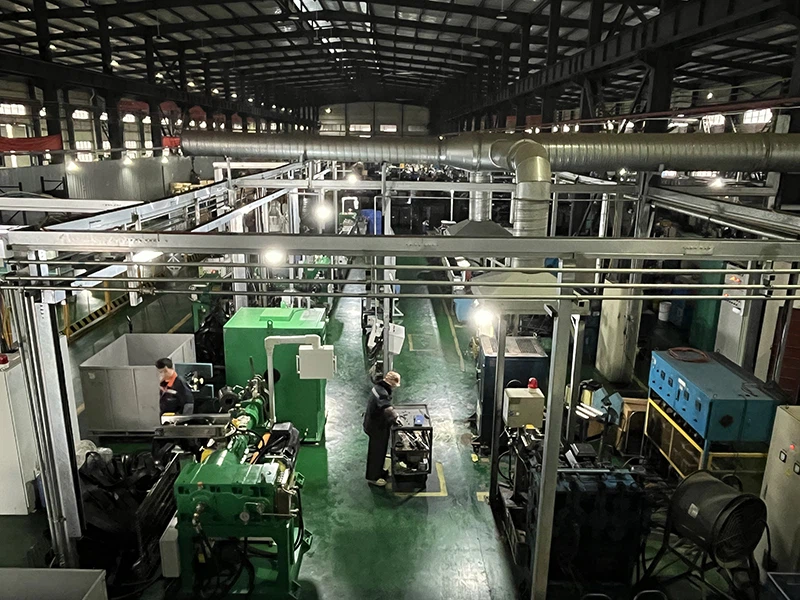
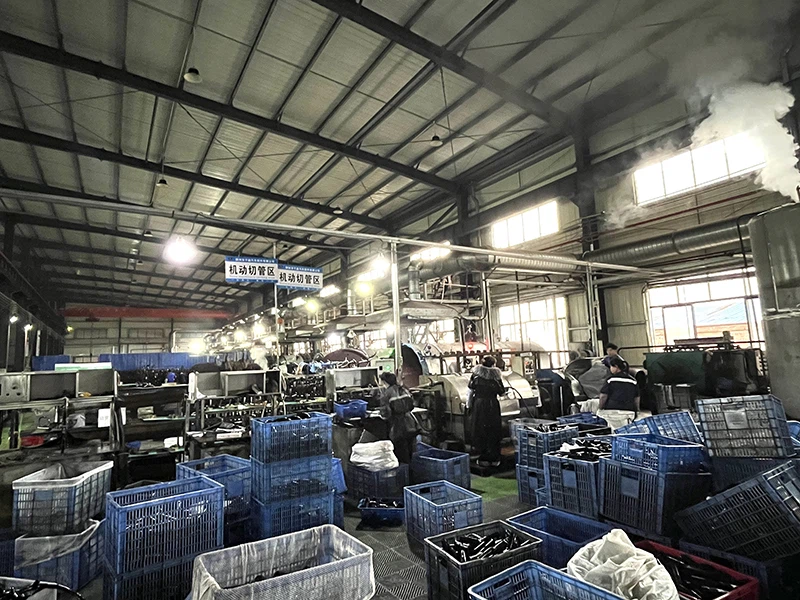
Shenzhen Autowellix Autoparts Co., Ltd. is a professional automotive parts manufacturer and exporter based in Shenzhen, China, specializing in high‑quality vehicle fluid lines and hose assemblies. With a strong focus on innovation, design, and precision manufacturing, Autowellix offers a wide range of products including coolant hoses, gearbox oil lines, steering fluid pipes, windshield spray hoses, and other critical automotive pipe solutions. The company combines advanced R&D capabilities with experienced production teams to ensure products meet demanding industry standards and vehicle performance requirements.
Autowellix is committed to providing durable, reliable, and high‑performance automotive piping systems that withstand extreme temperatures, high pressures, and rigorous driving conditions. Its products are widely used in passenger vehicles, commercial automobiles, and aftermarket applications worldwide. With strict quality control processes, from material selection to final inspection, Autowellix ensures every product delivers excellent service life and safety performance.
Dedicated to customer satisfaction, Shenzhen Autowellix Autoparts Co., Ltd. supports OEM and customized solutions, providing tailored services to meet diverse market needs. The company’s global sales network and professional support teams enable efficient cooperation with partners across Europe, the Americas, Southeast Asia, and beyond, making Autowellix a trusted name in automotive fluid line manufacturing and supply.
From long-haul freight to rugged agricultural machinery, our systems are optimized for diverse operational environments.
Heavy-duty trucks (Class 8 vehicles) operate long daily shifts with continuous vibration. Autowellix assemblies offer reinforced strain relief and vibration dampening over-molds to prevent physical fatigue at critical bends.
Tractors and harvesters face highly dusty environments and organic chemical exposure. Our outer jackets are designed with high abrasion resistance (nylon weave or corrugated PP) to withstand continuous environmental friction.
Large-scale marine engines require high-volume fluid flow. We provide custom wide-diameter line assemblies with reinforced synthetic braids that sustain stable fluid pressure under elevated operating pressures.
How Autowellix secures international certifications through precision instrumentation and testing protocols.
Automotive supply chain managers must minimize field failures to protect their brand reputations. When auditing a Chinese manufacturer of SCR/AdBlue hoses, quality controllers focus on several core technical testing matrices:
The roadmap towards sustainable materials, smart sensing, and modular vehicle integration.
The next decade of commercial vehicle manufacturing will emphasize weight reduction and green production processes. Autowellix is actively researching biological-sourced polyamides (such as PA11 derived from castor oil) to reduce the carbon footprint of our plastic components. Additionally, the development of "smart heated hoses"—which integrate micro-sensors directly within the connector assembly to feed temperature and pressure data back to the vehicle's engine control unit (ECU)—will define the next generation of emission control components.
Answering the most critical technical and logistical queries from international supply chain directors.
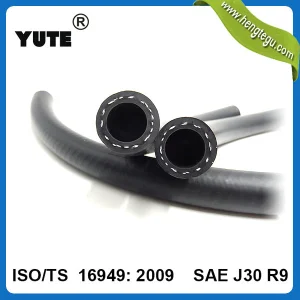
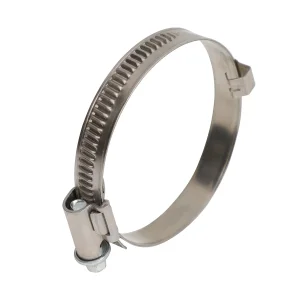
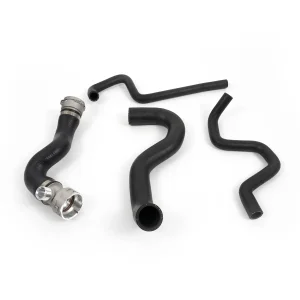
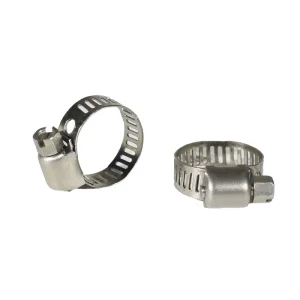
Complete your installation assembly with high-grade synthetic rubber lines, heavy-duty clamps, and process automation solutions.
 Autowellix Autoparts