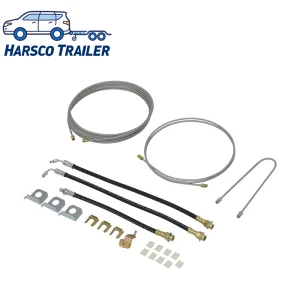
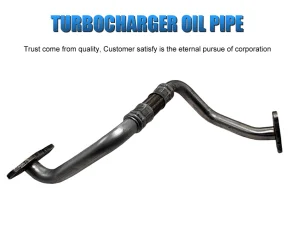
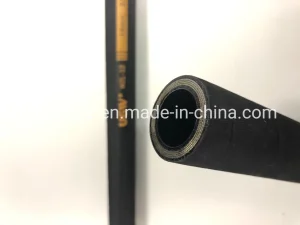
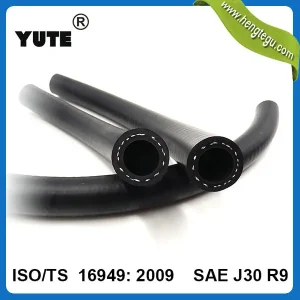
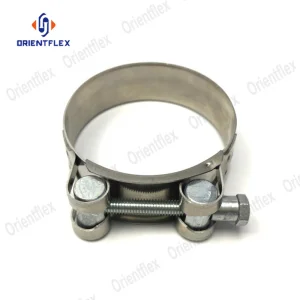
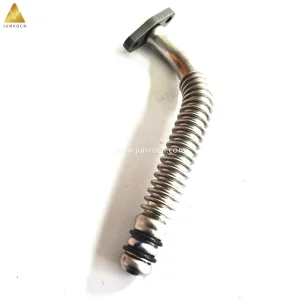
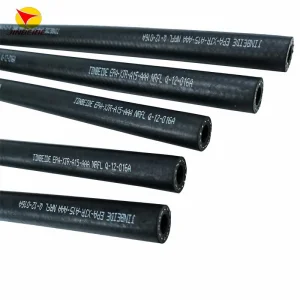
Explore high-performance automotive fluid hoses, engineered for maximum pressure capacity, durability, and compliance with strict SAE standards.
In modern automotive engineering, the hydraulic brake line system acts as the core neurological network of vehicle deceleration. The master cylinder hose is the critical connection point linking the primary braking pressure generator (the master cylinder) to the secondary distribution nodes (calipers, wheel cylinders, and ABS hydraulic controllers). Operating under intense pneumatic and hydraulic pressure ranges, these components must maintain minimal volumetric expansion while resisting abrasive environmental challenges.
Procurement directors and hydraulic system designers face complex decisions when sourcing. Performance metrics are no longer confined merely to burst pressure ratings. True performance optimization relies heavily on volumetric expansion profiles, compliance with international standards (such as SAE J1401 and FMVSS 106), and the formulation chemistry of synthetic elastomers like EPDM, PTFE, and Chloroprene.
Under the standard hydraulic pressure load of 10.3 MPa (approx. 1,500 psi), generic automotive hoses can expand excessively, resulting in a spongy brake pedal feel and prolonged emergency braking distances. High-performance master cylinder hoses minimize expansion to under 0.08 cc/m, ensuring immediate caliper reaction and precise feedback for electronic stability control (ESC) operations.
A B2B directory evaluated by material scientists and supply chain auditors, outlining market footprint, quality certifications, and engineering capabilities.
| Manufacturer Name | Key Geographies | Core Focus / Specialization | Standards Compliance | Supply Tier |
|---|---|---|---|---|
| Shenzhen Autowellix Autoparts Co., Ltd. | China (Shenzhen, Global Export) | High-pressure EPDM assemblies, custom trailer kits, and precision OEM lines. | SAE J1401, FMVSS 106, GB16897 | Tier 1 & OEM |
| Continental AG | Germany, Global Plants | Integrated brake line modules and hydraulic fluid management systems. | ISO 3996, DIN 74324, DOT | Tier 1 OE |
| Cooper Standard | USA, Worldwide | Global structural rubber fluid systems and thermo-plastic hose solutions. | SAE J1401, FMVSS 106 | Tier 1 OE |
| Bridgestone Industrial | Japan | Precision-braided wire hydraulic system lines for heavy machinery and autos. | JIS K6349, ISO 3996 | Tier 1 & Industrial |
| Gates Corporation | USA, Global Network | Heavy-duty commercial vehicle hoses and aftermarket hydraulic replacements. | SAE 100R1, SAE J1401 | Aftermarket & OE |
| Codan Rubber | Denmark | Customized European automotive replacement brake lines & silicone hoses. | EN 853, ISO 3996 | Tier 2 / Aftermarket |
| Sumitomo Riko | Japan | Low-expansion, high-damping elastomer brake lines for hybrid and electric vehicles. | JIS K6349, DOT Compliant | Tier 1 OE |
| Flexitech Group | France, global sites | Specialized brake hose assembly lines with custom crimping geometries. | FMVSS 106, SAE J1401 | OEM/Tier 1 Specialists |
| Sunflex Hose Industrial | India, Middle East Export | Braided stainless steel and flexible PVC/agricultural fluid line systems. | ISO 9001:2015, SAE J1401 | Industrial Sourcing |
| Parker Hannifin Corp | USA, EU Manufacturing | High-pressure hydraulic connections, industrial transportation lines, aerospace brake lines. | SAE J1401, Aerospace Standards | Premium Industrial |
Sourcing engineers shouldn't rely solely on cheap price tags. Quality verification of a master cylinder hose facility relies on three major criteria:
Different regions present unique environmental challenges that impact materials. Here is how master cylinder hoses are tailored to local needs.
Region: Northern Europe, Canada, Russia
In sub-zero environments (down to -50°C), standard rubber loses elasticity and becomes brittle. To prevent stress-cracking under sudden brake applications, manufacturers use specialized plasticized EPDM or synthetic rubbers that maintain flex-cycles without structural failure.
Region: Southeast Asia, Central America
Salt air and high moisture levels trigger fast electrochemical corrosion on the metal fitting interfaces. Standard zinc plating fails within months. Engineers specify Zinc-Nickel (Zn-Ni) electroplated steel or marine-grade 316 Stainless Steel banjo connectors to stop galvanic corrosion.
Region: Global Urban Centers (Transit Fleets)
Urban delivery vans and municipal transport undergo high-frequency stop-and-go actions. This creates continuous thermal cycles (up to 120°C fluid temps). Dual-braided PVA structures with enhanced EPDM outer shells prevent material fatigue and maintain safe pedal travel.
The transition toward Battery Electric Vehicles (BEVs) and Intelligent Driving Systems is shifting fluid system designs:
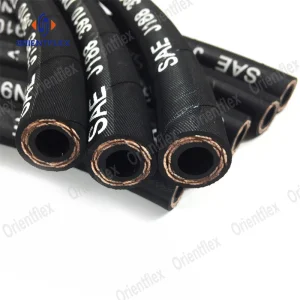
Historically, early brake hoses used simple natural rubber casings wrapped in cotton canvas. Modern systems demand much more. High-pressure brake lines now use a multi-layer design featuring a smooth inner core, a high-tensile braided matrix, and a protective outer sheath. In premium performance categories, standard EPDM is replaced by extruded PTFE (Polytetrafluoroethylene) cores wrapped in stainless steel wire braids (SUS304). This configuration reduces expansion to almost zero while offering high chemical resistance to all glycol-ether-based DOT 3, DOT 4, and silicone-based DOT 5 fluids.
The manufacturing process is equally critical. Premium factories use continuous mandrel extrusion to guarantee uniform wall thickness. Variations in wall thickness create localized weak spots that can swell under high pressure, leading to unsafe braking performance.
As automotive manufacturing centers globally, the Chinese industrial clusters in Shenzhen, Zhejiang, and Jiangsu have optimized the supply chain for hydraulic fluid lines. Proximity to advanced chemical production facilities, high-performance metal machining shops, and efficient international logistics ports enables Chinese exporters to deliver custom solutions faster and more cost-effectively than regional competitors.
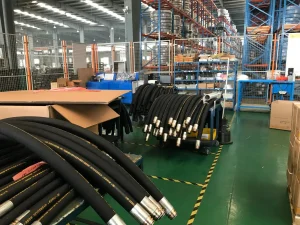
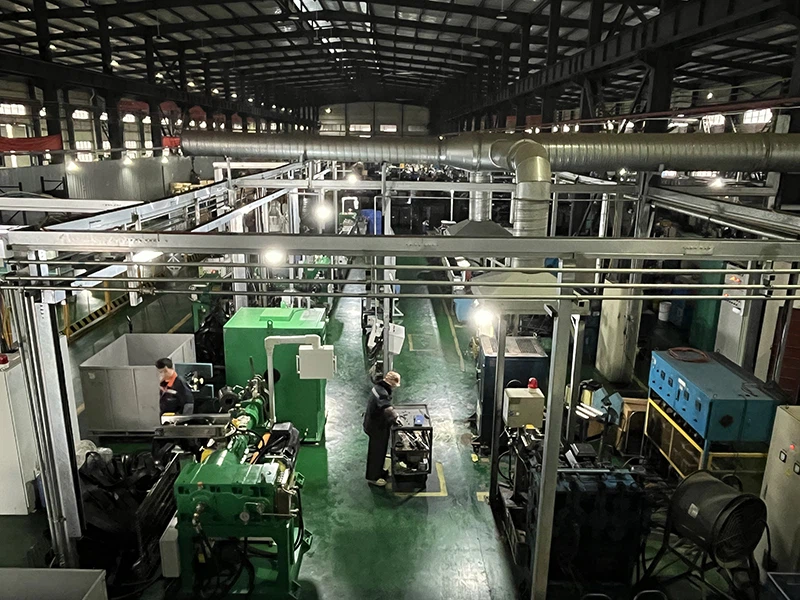
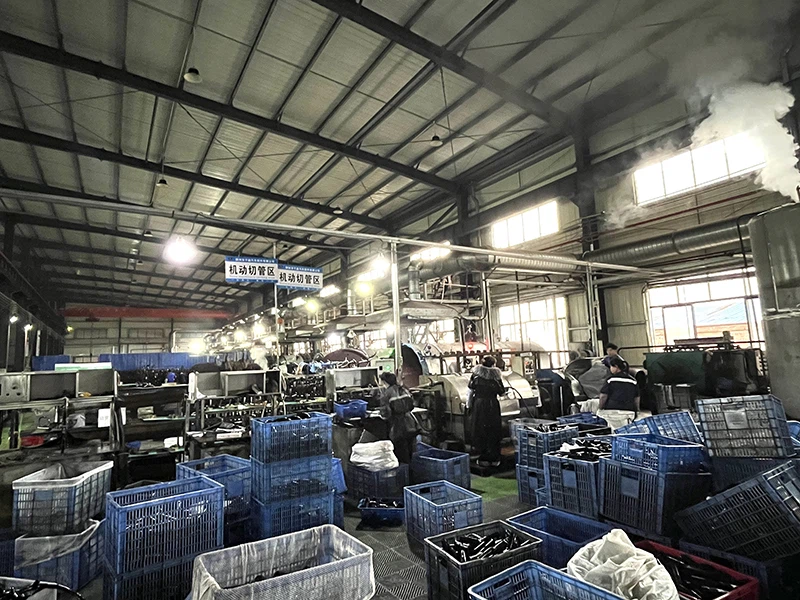
This efficiency is driven by vertical integration. Premium manufacturers handle everything in-house—from initial compound mixing and rubber vulcanization to automated precision CNC fitting machining, automated crimping, and final pressure testing. This localized control minimizes logistics delays and ensures consistent quality control throughout production.
Shenzhen Autowellix Autoparts Co., Ltd. is a professional automotive parts manufacturer and exporter based in Shenzhen, China, specializing in high‑quality vehicle fluid lines and hose assemblies. With a strong focus on innovation, design, and precision manufacturing, Autowellix offers a wide range of products including coolant hoses, gearbox oil lines, steering fluid pipes, windshield spray hoses, and other critical automotive pipe solutions. The company combines advanced R&D capabilities with experienced production teams to ensure products meet demanding industry standards and vehicle performance requirements.
Autowellix is committed to providing durable, reliable, and high‑performance automotive piping systems that withstand extreme temperatures, high pressures, and rigorous driving conditions. Its products are widely used in passenger vehicles, commercial automobiles, and aftermarket applications worldwide. With strict quality control processes, from material selection to final inspection, Autowellix ensures every product delivers excellent service life and safety performance.
Dedicated to customer satisfaction, Shenzhen Autowellix Autoparts Co., Ltd. supports OEM and customized solutions, providing tailored services to meet diverse market needs. The company’s global sales network and professional support teams enable efficient cooperation with partners across Europe, the Americas, Southeast Asia, and beyond, making Autowellix a trusted name in automotive fluid line manufacturing and supply.
Get answers to technical and logistical questions about master cylinder hoses from our engineering team.
Premium solutions for power steering, turbocharger cooling, agricultural irrigation, and heavy-duty fuel systems.
 Autowellix Autoparts