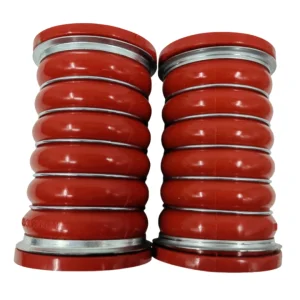
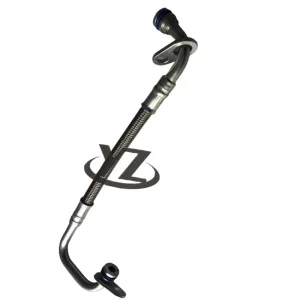
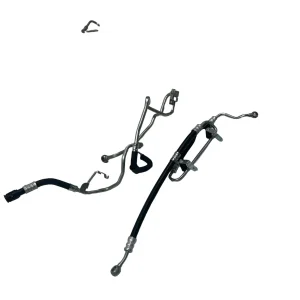
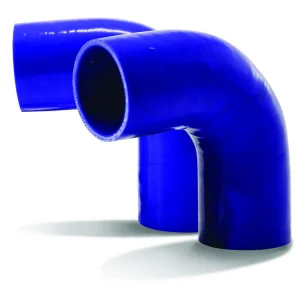
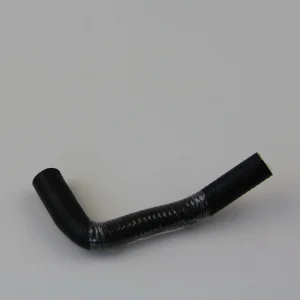
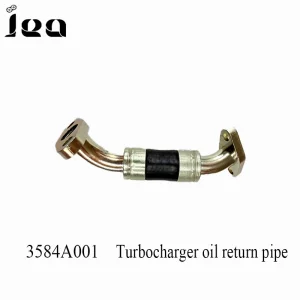
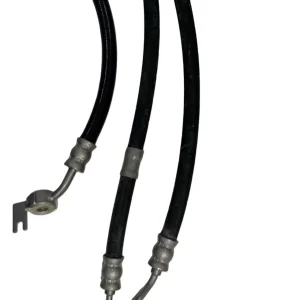
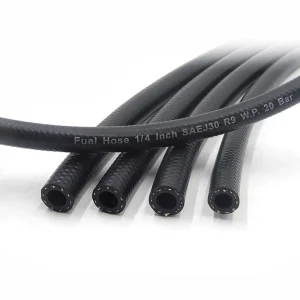
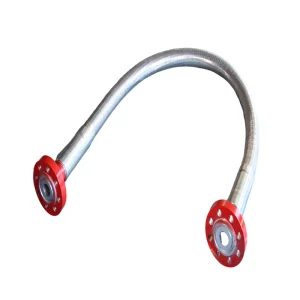
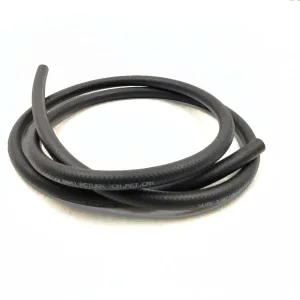
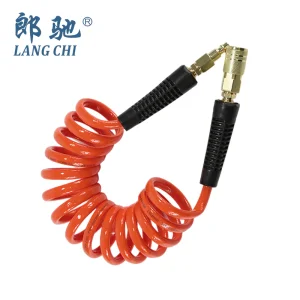
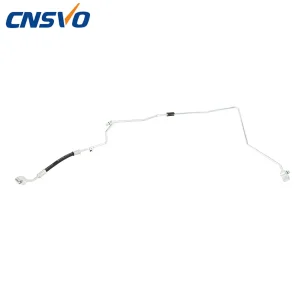
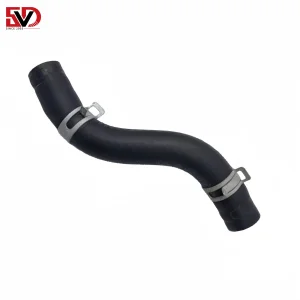
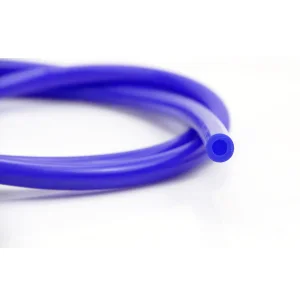
Explore our robust selection of premium automotive cooling assemblies, high-temperature silicone lines, and complex turbocharger oil lines engineered for severe-duty cooling applications.
In modern automotive architecture, thermal management systems dictate the limits of powertrain efficiency, battery lifespan, and overall system safety. The radiator temperature sensor, or coolant temperature sensor (CTS), acts as the primary sensory organ for the Engine Control Unit (ECU). It converts mechanical engine temperatures into high-fidelity electronic signals to prevent overheating, regulate fuel delivery parameters, actuate radiator cooling fans, and adjust ignition timing.
From a global industrial perspective, the transition to Euro 6/Euro 7 emissions standards and stringent EPA regulations has elevated the precision demands placed on temperature sensors. A mere deviation of ±0.5°C in operational reading can disrupt target emissions profiles, leading to increased carbon particulates and catalyst inefficiency. As a premier China Wholesale Radiator Temperature Sensor Manufacturer and Exporter, our engineering division has designed NTC (Negative Temperature Coefficient) and RTD (Resistance Temperature Detector) configurations that satisfy these modern tolerance constraints across diverse light-duty and heavy-commercial platforms.
High-torque diesel engines (such as Cummins, Sinotruk HOWO, and Perkins) run under severe cylinder head pressures. Coolant loop telemetry must withstand rapid thermal cycling and extreme vibration. Our sensors utilize military-grade stainless steel housings and high-density NTC thermistors to prevent signal drift under prolonged thermal stress.
Electric Vehicle (EV) batteries, power converters, and electric motors operate within tight thermal bands. Coolant temperature sensors are no longer restricted to internal combustion engines; they are now vital for monitoring liquid-cooled battery packs and IGBT modules to prevent thermal runaway and optimize fast-charging parameters.
The shift toward highly integrated electronic powertrains requires radiator sensors to evolve from simple variable-resistor switches to intelligent, bus-compatible modules.
The core technology of traditional temperature sensors relies on ceramic metal-oxide semiconductors that exhibit a negative temperature coefficient. As temperature increases, resistance falls according to a predictable, non-linear logarithmic curve. However, raw sensor outputs are highly susceptible to electromagnetic interference (EMI) generated by modern alternators, starter motors, and high-frequency EV power stages.
To mitigate this signal corruption, our R&D roadmap focuses on several core technical advancements:
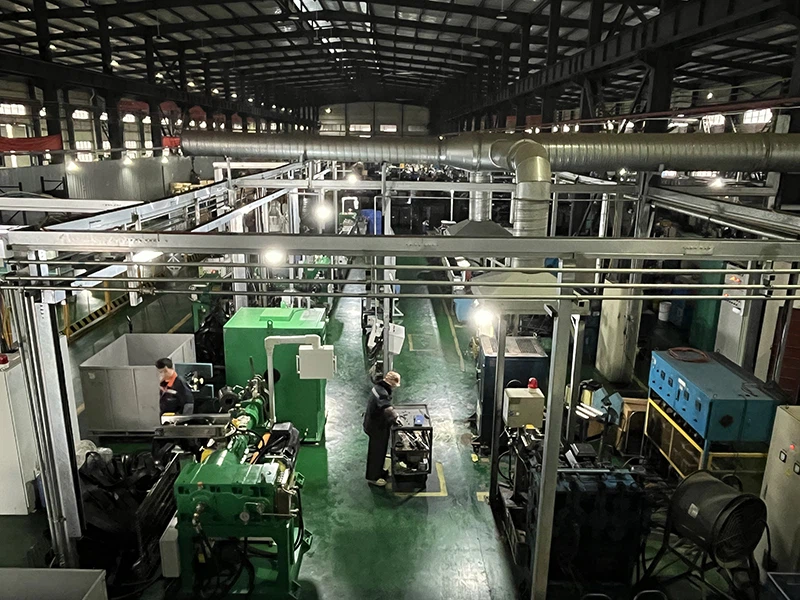
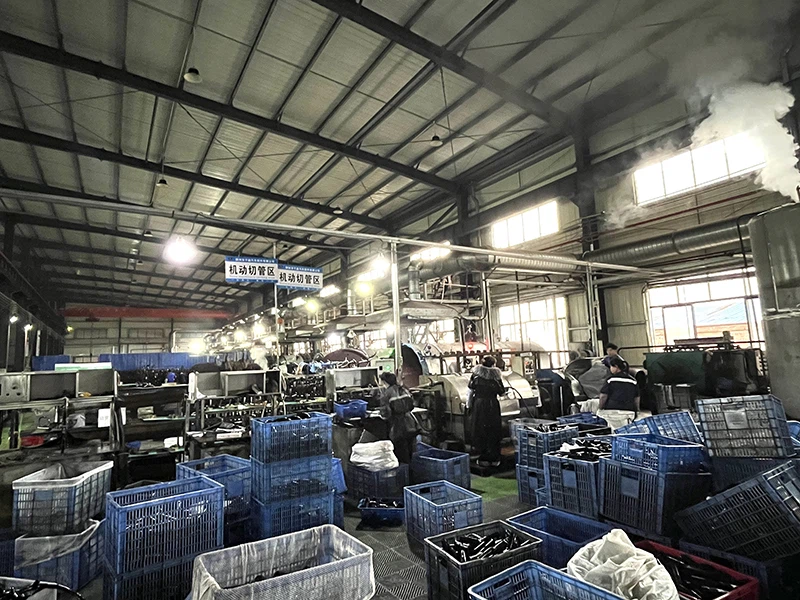
Shenzhen Autowellix Autoparts Co., Ltd. is a professional automotive parts manufacturer and exporter based in Shenzhen, China, specializing in high‑quality vehicle fluid lines and hose assemblies. With a strong focus on innovation, design, and precision manufacturing, Autowellix offers a wide range of products including coolant hoses, gearbox oil lines, steering fluid pipes, windshield spray hoses, and other critical automotive pipe solutions. The company combines advanced R&D capabilities with experienced production teams to ensure products meet demanding industry standards and vehicle performance requirements.
Autowellix is committed to providing durable, reliable, and high‑performance automotive piping systems that withstand extreme temperatures, high pressures, and rigorous driving conditions. Its products are widely used in passenger vehicles, commercial automobiles, and aftermarket applications worldwide. With strict quality control processes, from material selection to final inspection, Autowellix ensures every product delivers excellent service life and safety performance.
Dedicated to customer satisfaction, Shenzhen Autowellix Autoparts Co., Ltd. supports OEM and customized solutions, providing tailored services to meet diverse market needs. The company’s global sales network and professional support teams enable efficient cooperation with partners across Europe, the Americas, Southeast Asia, and beyond, making Autowellix a trusted name in automotive fluid line manufacturing and supply.
Thermal telemetry demands shift drastically depending on geographical climate profiles, operating altitudes, and vehicle mission profiles.
In high-latitude regions (e.g., Northern Europe, Canada), engines undergo cold starts below -40°C. In such states, coolant viscosity increases, risking local hot-spots before full loop flow occurs. Our sensors utilize rapid-stabilization thermistors combined with high-grade NBR and Silicone coolant lines to ensure real-time heat dispersion management and prevent cylinder cracking.
In equatorial or desert operations (e.g., Middle East, Southeast Asia), commercial trucks operate at maximum payload under sustained heat. Coolant temperature sensors work in tandem with intercooler intake hoses and power steering lines. If temperature readings exceed critical thresholds, our system coordinates with the ECU to reduce engine torque, protecting critical components from catastrophic failure.
Mining trucks, hydraulic excavators, and agricultural equipment run for long hours in dust-heavy, vibrating environments. Traditional consumer-grade sensors quickly fail under physical wear. Autowellix provides a macro-reinforced sensor assembly featuring robust, impact-resistant connectors and multi-layered braided steel fuel and hydraulic line compatibility, offering a complete subsystem solution.
Common questions, diagnosis protocols, and performance specs for global procurement managers, automotive engineers, and wholesale buyers.
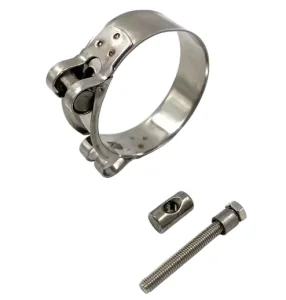
Examine our specialized industrial hoses, high-pressure fuel lines, and precision clamps designed to ensure fluid circuit integrity under harsh engine operating conditions.
 Autowellix Autoparts