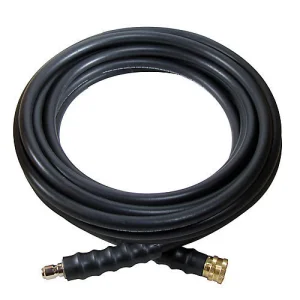
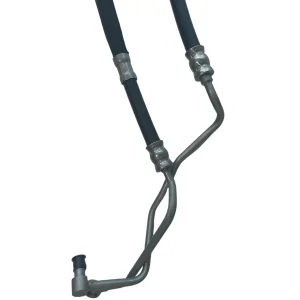
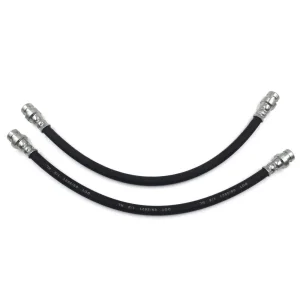
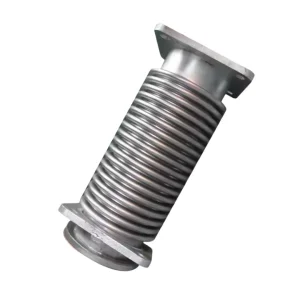
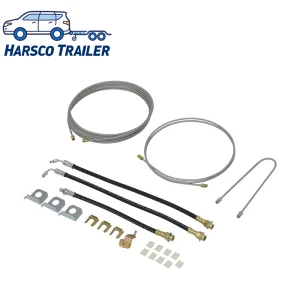
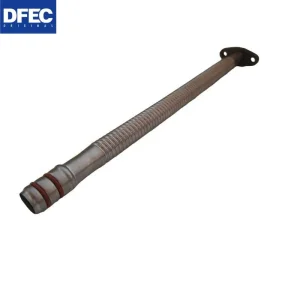
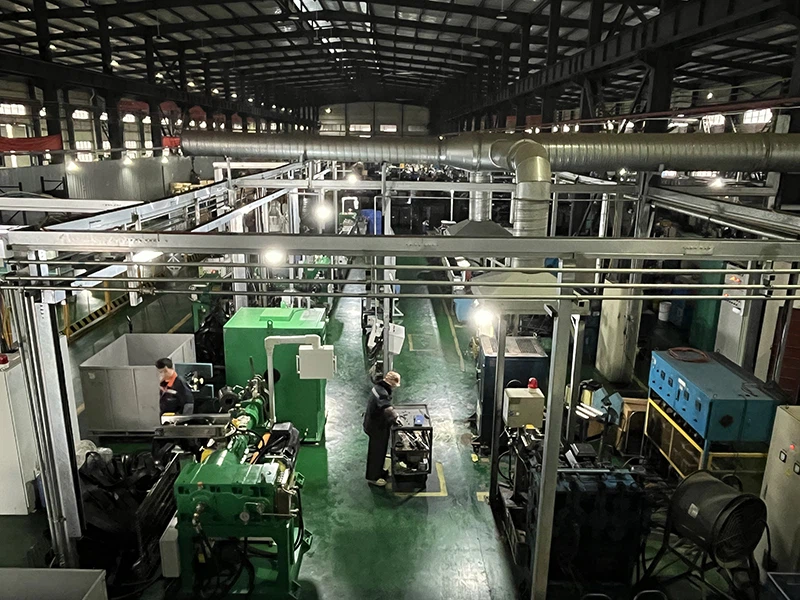
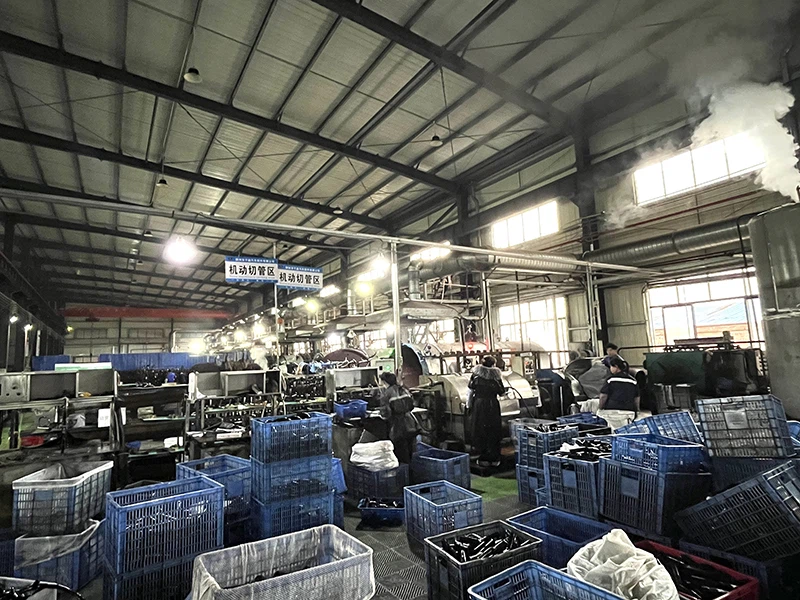
Shenzhen Autowellix Autoparts Co., Ltd. is a professional automotive parts manufacturer and exporter based in Shenzhen, China, specializing in high‑quality vehicle fluid lines and hose assemblies. With a strong focus on innovation, design, and precision manufacturing, Autowellix offers a wide range of products including coolant hoses, gearbox oil lines, steering fluid pipes, windshield spray hoses, and other critical automotive pipe solutions. The company combines advanced R&D capabilities with experienced production teams to ensure products meet demanding industry standards and vehicle performance requirements.
Autowellix is committed to providing durable, reliable, and high‑performance automotive piping systems that withstand extreme temperatures, high pressures, and rigorous driving conditions. Its products are widely used in passenger vehicles, commercial automobiles, and aftermarket applications worldwide. With strict quality control processes, from material selection to final inspection, Autowellix ensures every product delivers excellent service life and safety performance.
Dedicated to customer satisfaction, Shenzhen Autowellix Autoparts Co., Ltd. supports OEM and customized solutions, providing tailored services to meet diverse market needs. The company’s global sales network and professional support teams enable efficient cooperation with partners across Europe, the Americas, Southeast Asia, and beyond, making Autowellix a trusted name in automotive fluid line manufacturing and supply.
The windshield washer pump industry is currently undergoing a structural transformation driven by the rapid evolution of autonomous driving technologies and advanced driver assistance systems (ADAS). Modern vehicle cleaning systems are no longer limited to the simple task of cleaning the driver's front windshield; they must now service an array of optical cameras, LiDAR sensors, and side radar units. As a result, the demand for multi-outlet, higher-pressure, and micro-electromechanical (MEMS) controlled pumps has surged globally.
Historically, a simple single-outlet centrifugal DC pump met the baseline performance requirements of passenger vehicles. Today, dual-outlet and triple-outlet smart pumps equipped with integrated check valves are the standard. These designs allow selective cleaning of front screens, rear screens, and sensor clusters without the latency of fluid backflow. Manufacturers in China have optimized the internal stator design and brushless DC motor (BLDC) integration to ensure sustained fluid discharge rates while minimizing noise, vibration, and harshness (NVH) levels. These improvements contribute significantly to the luxury-feel index of modern luxury cars and electric vehicles (EVs).
Windshield washer pumps are evolving into comprehensive vehicle optical cleaning systems, delivering high-velocity fluid bursts directly onto camera lenses and LiDAR surfaces to ensure continuous autonomous safety operations.
Traditional systems operating at 1.5 to 2.0 bar are being phased out in favor of systems capable of generating 3.5 to 5.0 bar, enabling instantaneous debris clearing at highway speeds.
Sourcing windshield washer pumps at scale requires deep due diligence across structural reliability, electrical safety, and chemical resistance parameters. Industrial B2B buyers—ranging from tier-one automotive system integrators to international distributors—focus heavily on several core metrics when selecting a Chinese manufacturing partner:
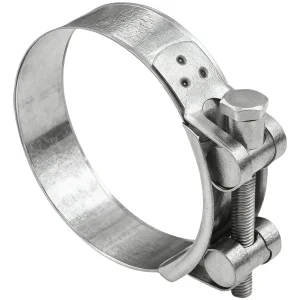
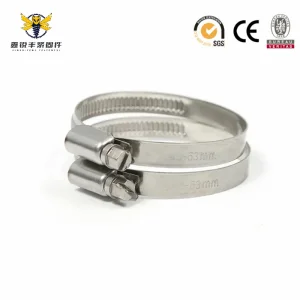
Windshield washer pumps do not operate in isolation. Their overall performance is heavily dependent on the efficiency of the surrounding fluid distribution network. A bottleneck or pressure drop in the system is frequently caused by sub-optimal flexible tubing selection, loose hose clamps, or thermal degradation of routing paths near the engine core.
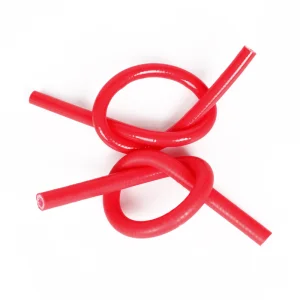
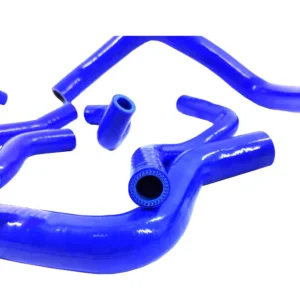
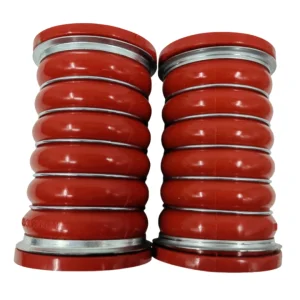
Shenzhen Autowellix Autoparts Co., Ltd. addresses these challenges by offering engineered Fluid Routing Integration Solutions. By pairing custom-designed windshield washer pumps with our specialized high-performance EPDM and silicone hoses, we ensure consistent volumetric flow rates and leak-proof performance over the vehicle’s operating life. For example, our reinforced silicone rubber hose kits are designed to withstand engine compartment heat without softening, ensuring that fluid reaches the nozzles at peak pressure even under extreme thermal stress.
Selling automotive products globally requires strict adherence to international regulatory frameworks. To support our global B2B clients, Autowellix ensures that manufacturing operations and materials comply with key industry standards:
Looking ahead, the automotive fluid control sector is moving toward smart, modular architectures. Traditional central washer fluid reservoirs are being replaced or augmented by distributed reservoirs and micro-pumps. This design shift reduces overall routing distance and fluid latency, especially for rear-facing cameras and roof-mounted LiDAR housings. The integration of ultrasonic atomizing nozzles also demands extremely precise pulse-wave delivery from the washer pump, which requires advanced digital control interfaces (LIN bus/CAN bus communication protocol integration directly onto the pump's PCB).
In addition, sustainability is a driving force behind our material research. Autowellix is actively developing and testing bio-based plastics and recycled polymers for non-structural pump housings, supporting global carbon neutrality initiatives while maintaining the strict tensile strength and low water-absorption profiles required for long-term automotive applications.
 Autowellix Autoparts