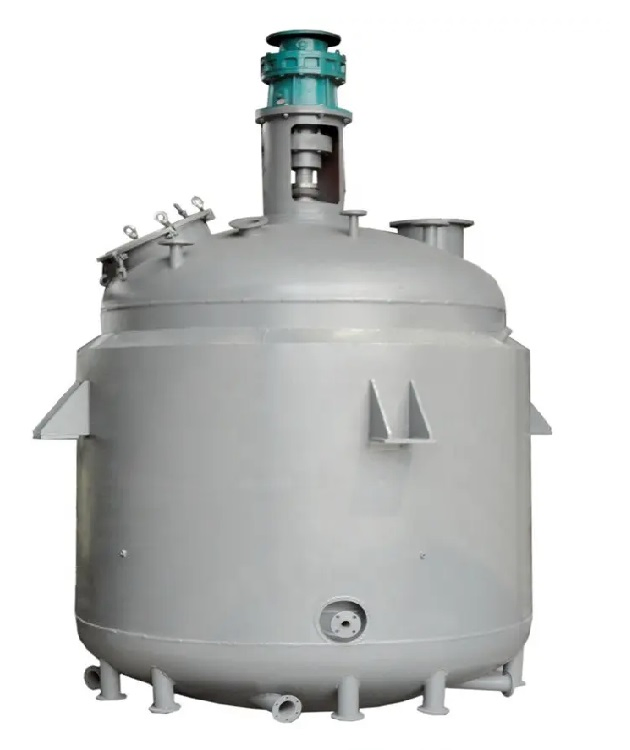
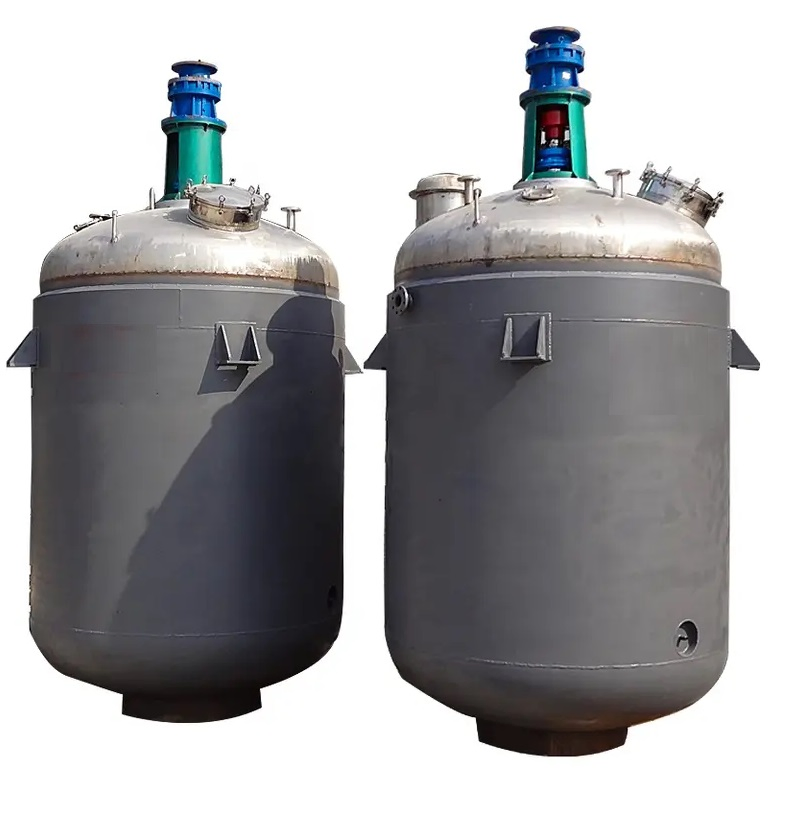
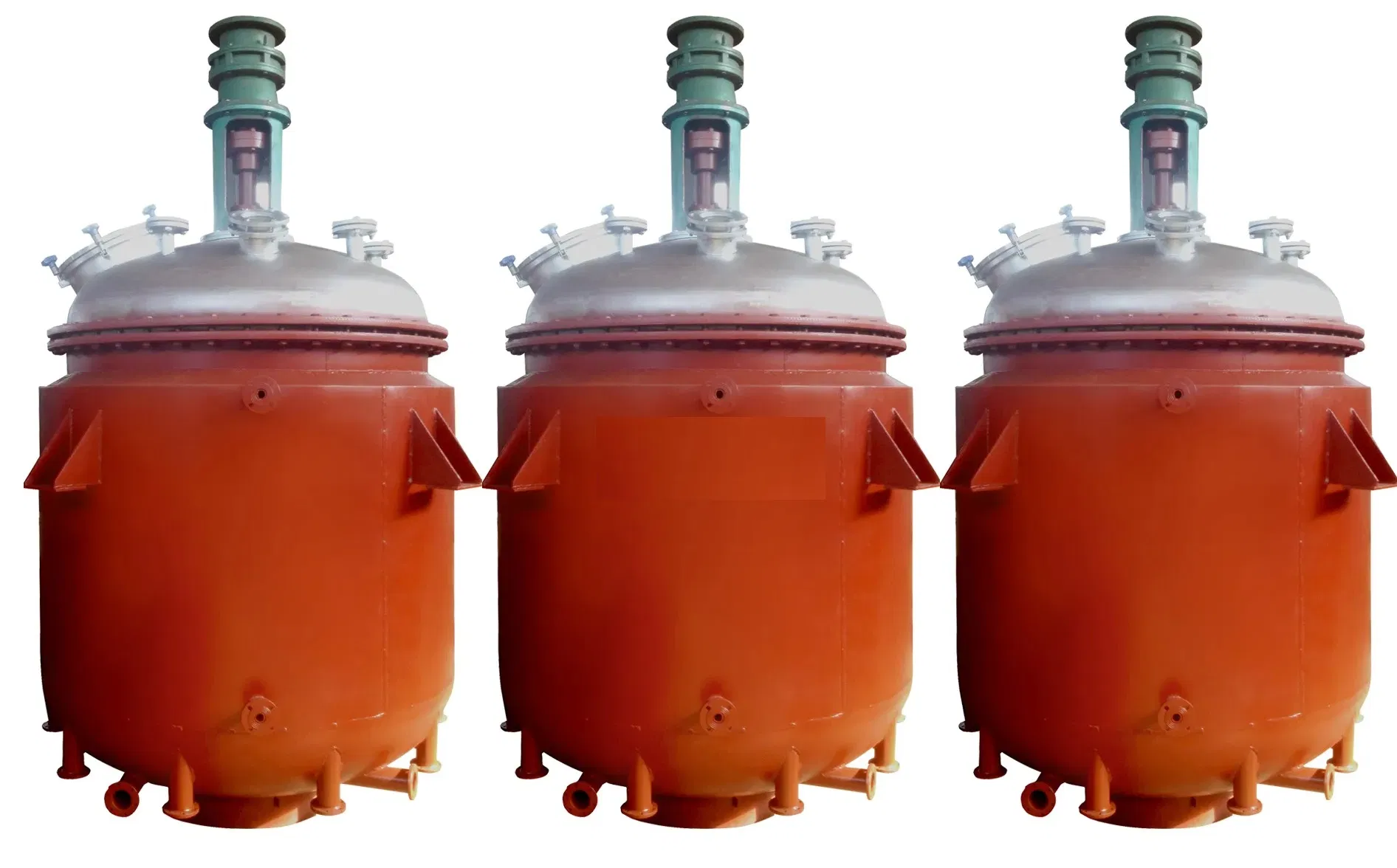
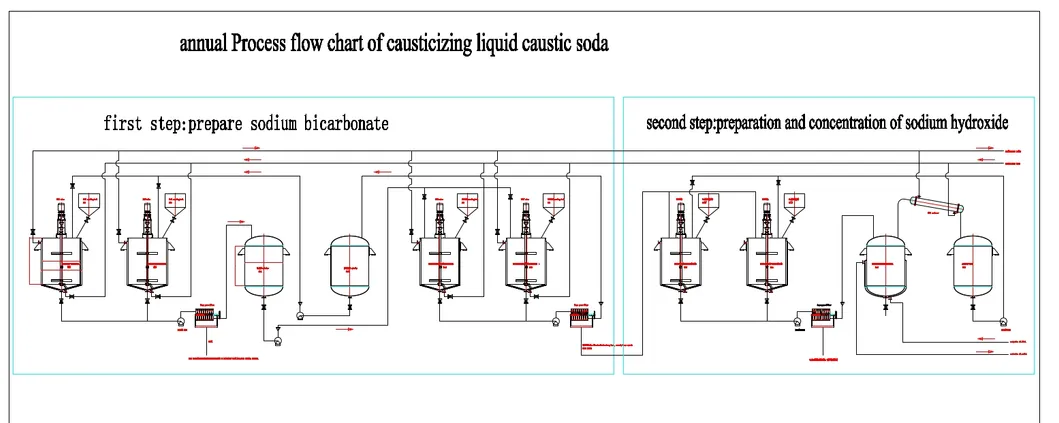
NAOH sodium hydroxide caustic soda production line
Key Considerations for Reactor Specification:
⚙️ 1. What is the heating material?
⚙️ 2. Material requirements of the can?
⚙️ 3. Heating temperature (matters for heating tube selection)?
⚙️ 4. Is cooling required?
⚙️ 5. Vacuum requirements (affects mechanical seal and wall thickness)?
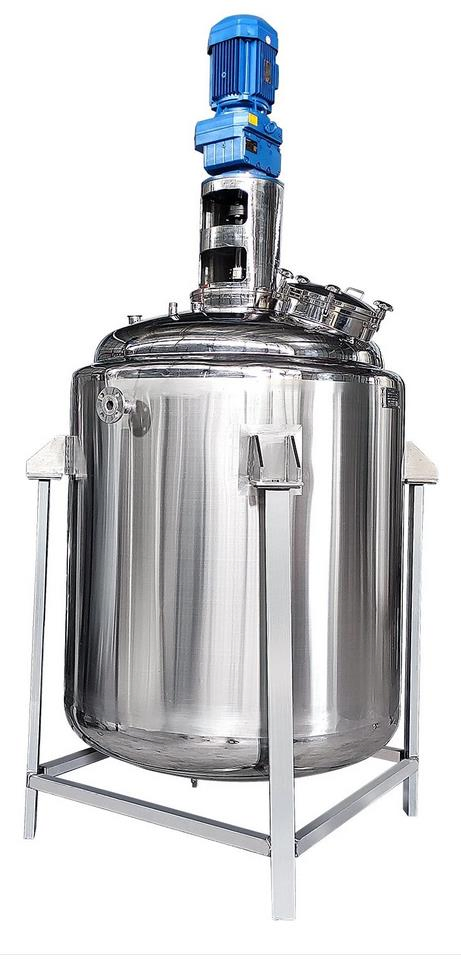
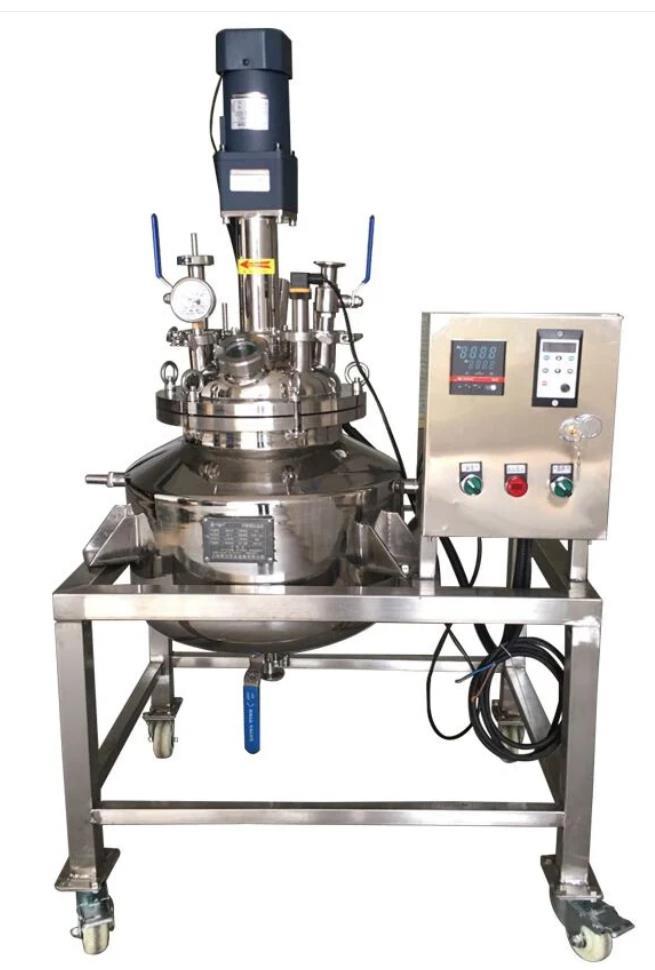
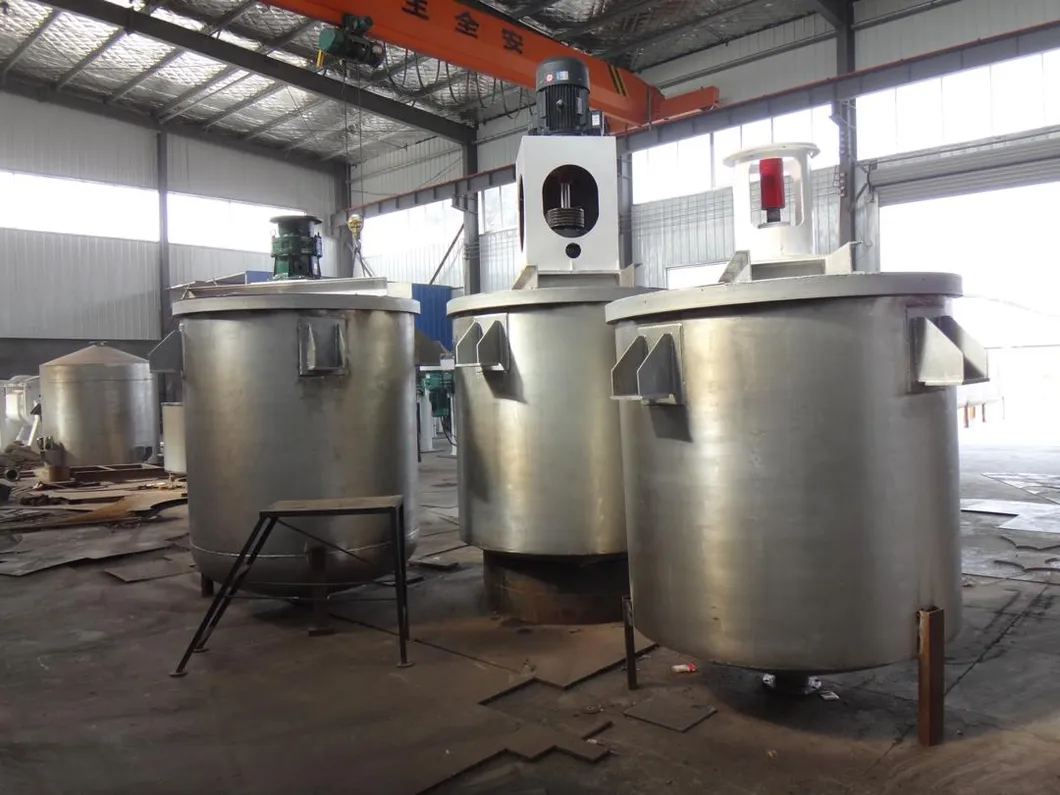
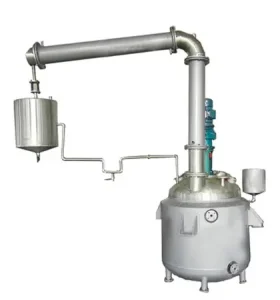
This mixing tank is mainly used for pharmaceutical, chemical, food, and liquid detergent production (e.g., shampoo, body wash, seasonings). The machine integrates stirring, homogenization, heating, and heat preservation. It is characterized by energy saving, corrosion resistance, strong production capacity, and easy cleaning.
🟦 Structure & Composition
The equipment consists of the tank body, tank cover, mixing structure, homogeneous mechanism, electric control device, and frame platform.
Head Types
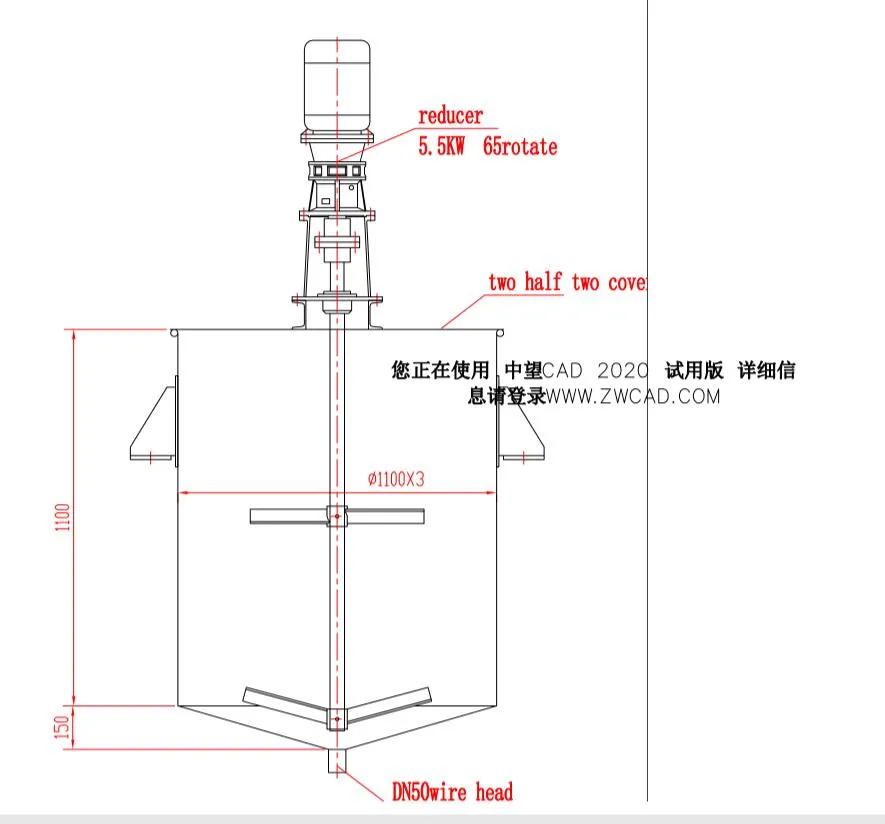
Top open cover/lower oblique bottom; Top open cap/lower conical head; Conical head up and down; Upper/lower ellipse heads
Layer Configurations
Single-layer; Heating single-layer (steam coil); Heating double tank (jacket oil); Three layers (heating + insulation)
Capacity Range
100L to 10000L (Customizable)
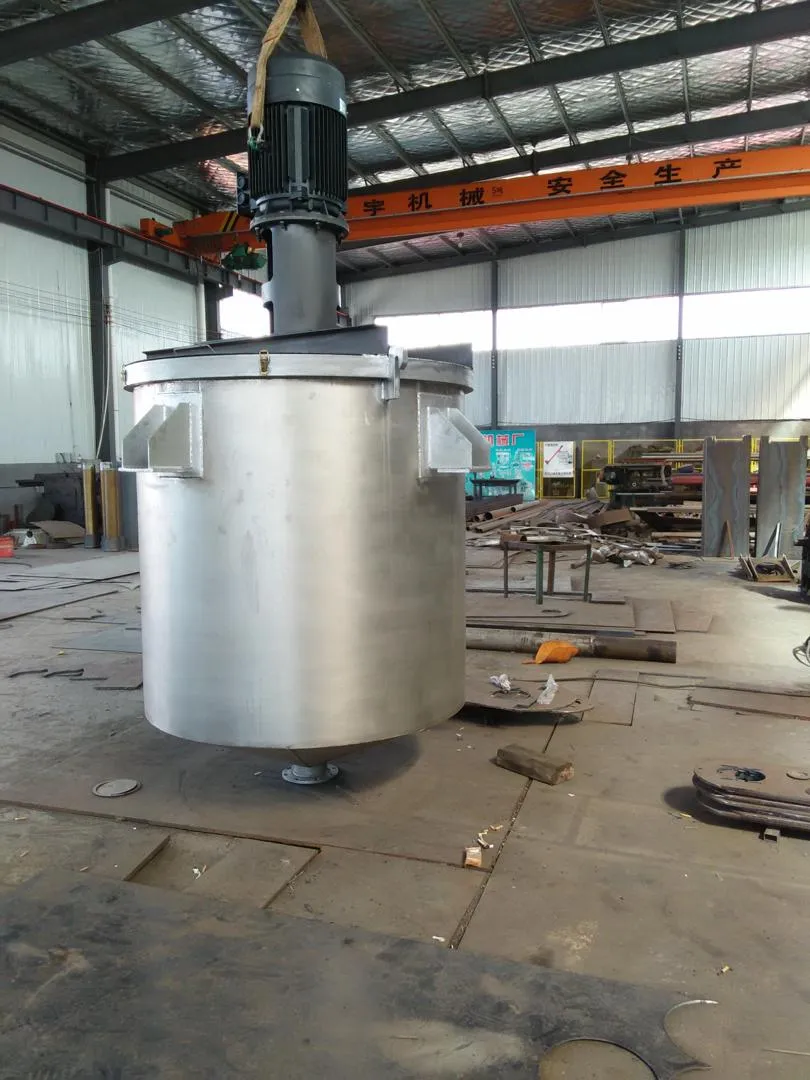
🟦 Technical Drawings & Workshop
Frequently Asked Questions (FAQ)
Q1: What materials are used for the tank construction?
The tanks are primarily constructed using high-quality SUS304 or SUS316 stainless steel, as well as carbon steel, depending on the chemical compatibility and client requirements.
Q2: What heating methods are available for the production line?
We offer multiple heating options, including oil heating with coil pipes, steam heating, and water cooling systems to ensure precise temperature control during production.
Q3: Can the capacity of the mixing tank be customized?
Yes, we provide a wide range of specifications from 100L up to 10,000L. Custom capacities can be designed and manufactured based on your specific production needs.
Q4: Is the equipment suitable for vacuum operations?
Yes, we can design the tanks for vacuum environments by utilizing specific mechanical seals and adjusting the thickness of the tank walls to withstand the pressure.
Q5: What is the typical lead time for a complete production line?
The standard delivery time is approximately 1 to 2 months, depending on the complexity of the customization and the total production scale.
Q6: Does the machine include homogenization functions?
Yes, the equipment integrates stirring, homogenization, heating, and heat preservation into a single unit, making it ideal for processing liquid detergents and chemical products.
 Autowellix Autoparts