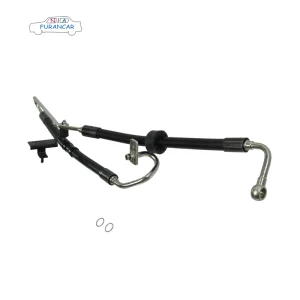
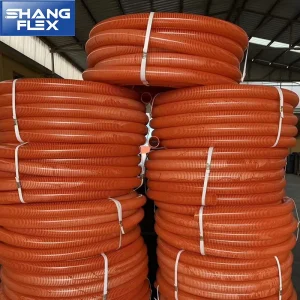
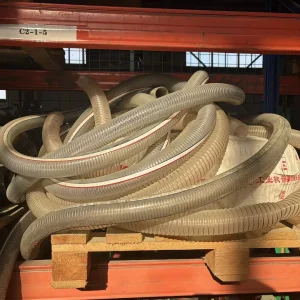
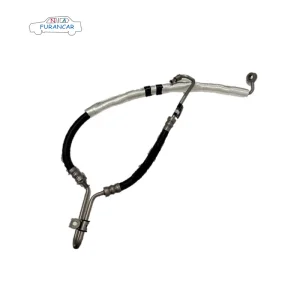
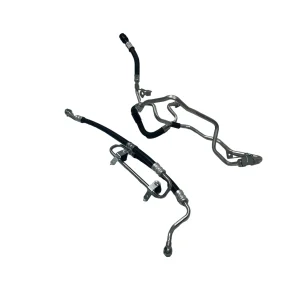
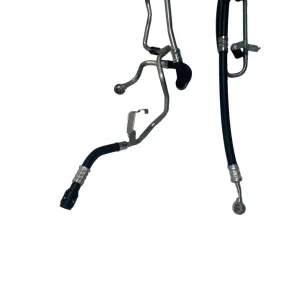
In modern industrial hydraulic systems and automotive engineering, the connection between the fluid reservoir and the hydraulic pump is a critical artery. The Reservoir-to-Pump Hose serves as the low-pressure suction or feed line that ensures a continuous, bubble-free, and thermally stable supply of fluid to the pump. Despite operating under lower pressure profiles compared to discharge lines, the mechanical demands on these hoses are extraordinary.
A failure in the suction feed line introduces catastrophic consequences to the system. Air ingress via micro-cracks or loose fitting interfaces leads to pump cavitation. Cavitation causes micro-explosions within the pump chambers, generating localized heat and shockwaves that erode metal surfaces, leading to sudden mechanical failure. Consequently, manufacturing these hoses requires precise material formulation and rigorous testing to withstand continuous vacuum suction without collapse, while maintaining flexibility across wide temperature variations.
Across the globe, the demand for high-performance fluid routing systems is rising. The rapid expansion of infrastructure, automated manufacturing, agricultural modernization, and high-efficiency commercial transportation drives the need for reliable fluid transfer solutions. Industrial pumps, hydraulic systems, and steering units rely on consistent suction lines to maintain productivity and prevent unscheduled downtime.
According to recent industry market analyses, the global automotive hose and tube market is undergoing a structural transition. While electrification alters the powertrain layout, the demand for specialized coolant and hydraulic management systems remains high. New Energy Vehicles (NEVs) require complex, multi-circuit thermal management systems with specialized reservoir-to-pump hoses to manage battery and power electronics temperatures. Concurrently, heavy machinery sectors—such as mining, construction, and agriculture—continue to demand heavy-duty, reinforced rubber fluid lines to sustain high operational pressures in dust-heavy, high-vibration fields.
Supplying reliable replacements for power steering systems, cooling reservoirs, and brake lines. Essential for maintaining fleet safety and longevity.
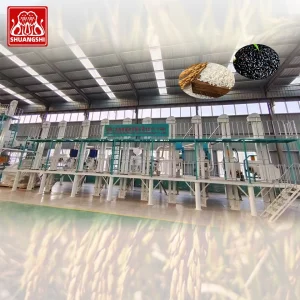
Engineering dynamic hoses for hydraulic pumps, agricultural tractors, excavators, and industrial rice milling machinery, meeting extreme wear challenges.
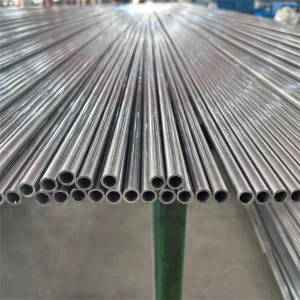
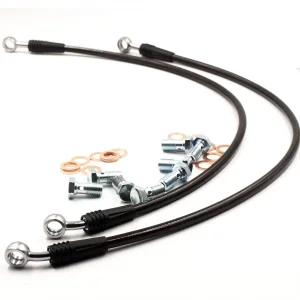
High-spec PTFE and braided stainless steel configurations designed to withstand aggressive chemicals and thermal spikes in racing and aviation.
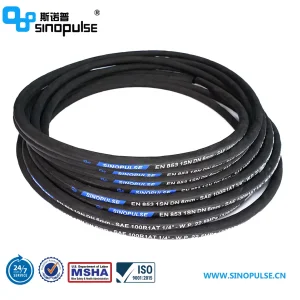
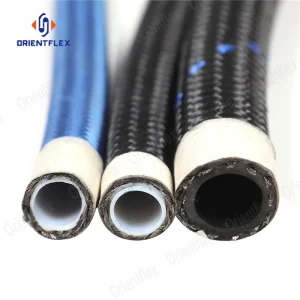
To operate reliably in high-pressure fluid environments, specialized hose manufacturing utilizes multiple layers of advanced material engineering. The structural anatomy of a reservoir-to-pump hose consists of three core components:
For European and global markets, the CE Certification serves as proof of conformity. It guarantees that the design, material selection, manufacturing process, and final pressure testing comply with EU health, safety, and environmental protection standards. Furthermore, integration with standards such as SAE J1401 (brake systems), SAE J524 (seamless steel tube pairing), and ISO 9001 quality management ensures that each exported hose assembly maintains pressure rating tolerances and delivers a long operational lifespan.
Industrial procurement managers, OEM engineers, and global aftermarket distributors face complex decisions when sourcing reservoir-to-pump hoses. In a highly volatile macroeconomic climate, sourcing decisions depend on more than just the lowest per-unit cost. The overall Total Cost of Ownership (TCO) is influenced by lead times, customization capabilities, product life cycles, and quality guarantees.
Enterprise buyers prioritize suppliers who provide comprehensive design validation services. A trusted exporter must offer 3D CAD modeling, chemical compatibility matrix matching, burst pressure validation, and custom bend profiling. In particular, custom applications—such as specialized heavy excavator engine compartments or compact electric vehicle battery packs—require custom-molded hoses that fit tightly into complex spaces without crimping or rubbing against adjacent metal edges.
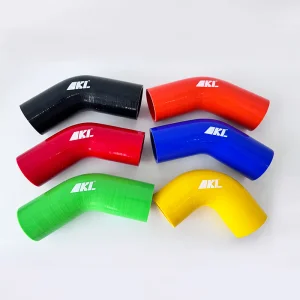
Custom molds, custom angles (45°, 90°, 180°), integrated sensor ports, and special end-fittings tailored to direct equipment installation.
Access to certified testing documentation: burst test reports, ozone chamber weathering test data, and vibration fatigue cycle outputs.
Flexible batch manufacturing runs to support both high-volume vehicle production and low-volume, specialized aftermarket distribution.
Shenzhen Autowellix Autoparts Co., Ltd. is a professional automotive parts manufacturer and exporter based in Shenzhen, China, specializing in high‑quality vehicle fluid lines and hose assemblies. With a strong focus on innovation, design, and precision manufacturing, Autowellix offers a wide range of products including coolant hoses, gearbox oil lines, steering fluid pipes, windshield spray hoses, and other critical automotive pipe solutions. The company combines advanced R&D capabilities with experienced production teams to ensure products meet demanding industry standards and vehicle performance requirements.
Under the China Factory 4.0 framework, Autowellix implements automated vulcanization lines, laser-guided braiding systems, and computerized leak-detection equipment. Our digital manufacturing Execution System (MES) tracks every production batch back to the raw material supplier, ensuring traceability and consistency.
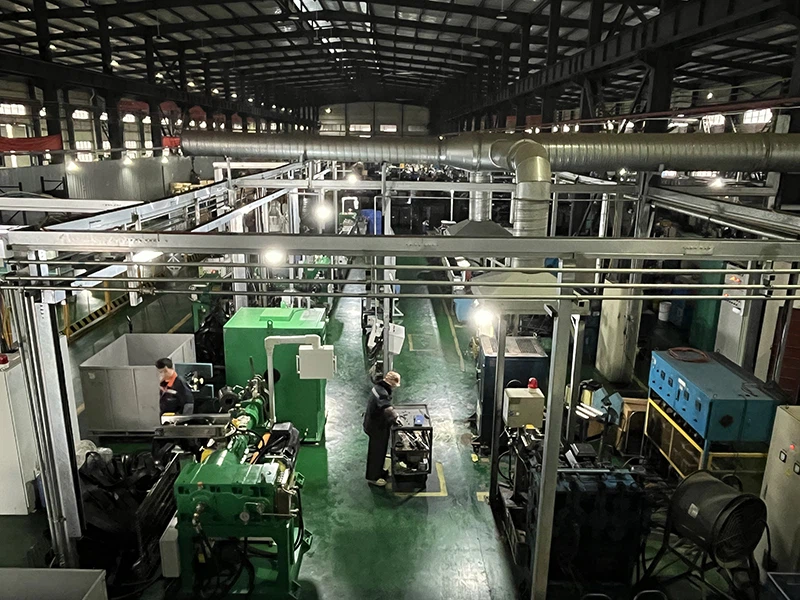
Autowellix is committed to providing durable, reliable, and high‑performance automotive piping systems that withstand extreme temperatures, high pressures, and rigorous driving conditions. Its products are widely used in passenger vehicles, commercial automobiles, and aftermarket applications worldwide. With strict quality control processes, from material selection to final inspection, Autowellix ensures every product delivers excellent service life and safety performance.
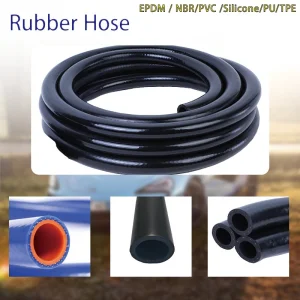
Our raw material partners provide premium synthetic rubbers, high-purity silicones, and high-tensile aramid fibers. This ensures that every finished hose offers optimal performance, resisting structural aging, oil swelling, and negative pressure deformation during long-term field use.
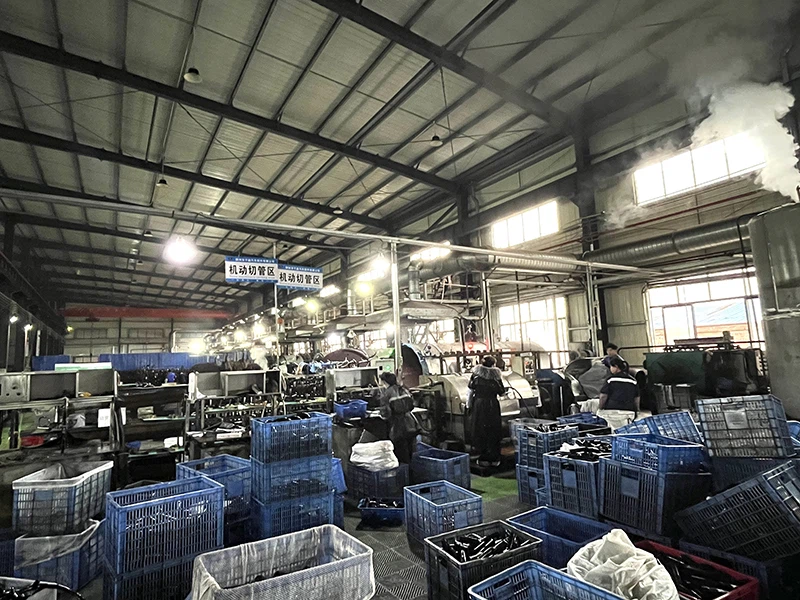
Dedicated to customer satisfaction, Shenzhen Autowellix Autoparts Co., Ltd. supports OEM and customized solutions, providing tailored services to meet diverse market needs. The company’s global sales network and professional support teams enable efficient cooperation with partners across Europe, the Americas, Southeast Asia, and beyond, making Autowellix a trusted name in automotive fluid line manufacturing and supply.
Operational conditions differ significantly by geography, requiring specific design changes to hose configurations. Standard off-the-shelf hoses may fail prematurely under extreme local conditions, highlighting the value of tailored engineering.
In sub-zero climates, standard rubber hoses can become brittle, leading to micro-cracking and fluid leaks during cold-starts. Autowellix engineers specialized low-temperature synthetic compounds that maintain flexibility at temperatures down to -50°C. This prevents pump cavitation and dry-running during morning startups.
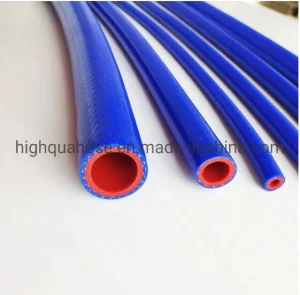
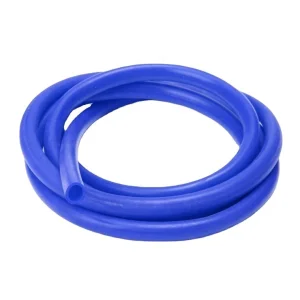
High humidity and consistent atmospheric salinity accelerate rust on metal reinforcement layers and cause ozone degradation in natural rubbers. In these regions, we provide Stainless Steel Braided PTFE and UV-stabilized silicone hose solutions. These formulations resist environmental degradation, providing long service lives for urban delivery trucks and logistics fleets.
Abrasive dust particles settle on hydraulic systems, wearing down hose covers and joint connections. Our heavy-duty hoses feature extra-thick neoprene outer sleeves that resist wear and abrasion. This prevents damage from flying debris and friction in high-vibration engine bays.
 Autowellix Autoparts