Explore our curated selection of high-precision hoses, line assemblies, and specialized industrial manufacturing systems. Designed for extreme pressure, thermal resilience, and absolute compatibility across light passenger vehicles to heavy-duty applications.
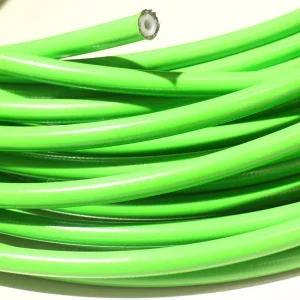
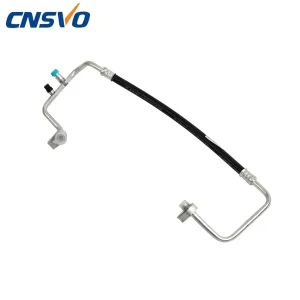
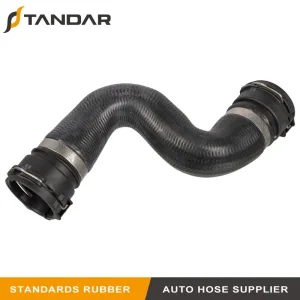
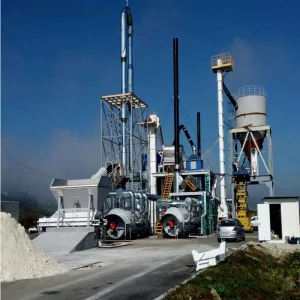
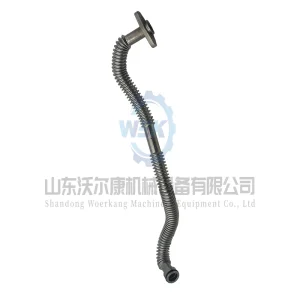
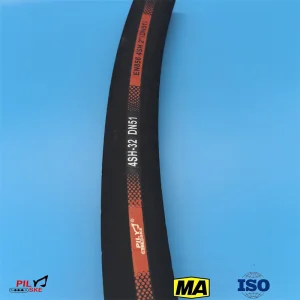
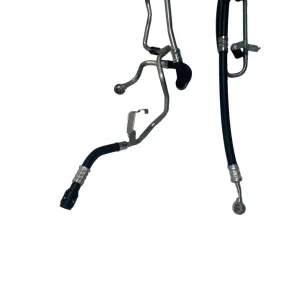
The **Secondary Air Injection (SAI) system** plays a vital role in modern internal combustion engines (ICE), especially during the critical *cold start phase*. When an engine first starts, the fuel mixture is deliberately enriched to ensure stable combustion, which inherently produces elevated levels of unburned hydrocarbons (HC) and carbon monoxide (CO). Simultaneously, the catalytic converter has not yet reached its optimal light-off temperature (typically between 300°C and 400°C), rendering it temporarily inefficient.
To address this emission spike, the SAI system pumps fresh, oxygen-rich ambient air directly into the exhaust manifold upstream of the catalytic converter. This additional oxygen initiates a secondary oxidation reaction with the hot, unburned exhaust gases. This process converts harmful HC and CO into harmless water vapor (H2O) and carbon dioxide (CO2), while generating heat that accelerates catalytic light-off.
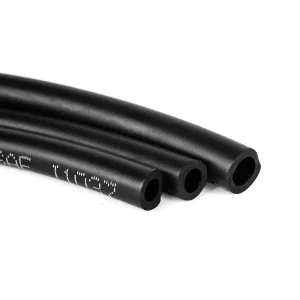
"The Secondary Air Injection hose is the critical link between the air pump and the check valve. Subjected to rapid thermal transitions, corrosive exhaust gases, and intense ozone concentrations, these hoses must maintain structural integrity under strict OBD-II compliance frameworks."
Any degradation in the SAI hose—such as micro-cracking, ozone dry rot, or heat fatigue—will result in pressure drops, triggering immediate Check Engine lights (P0410/P0411 codes) and failing vehicle emissions tests. China’s premier manufacturing base addresses this through advanced polymer chemistry and multi-layer structural reinforcement.
As environmental standards like **Euro 6d/Euro 7** and US **EPA Tier 3 / CARB** tighten globally, emission control systems are under intense scrutiny. The demand for secondary air injection hoses remains high, driven by the global automotive aftermarket and active OEM lines in hybrid powertrains. Hybrid electric vehicles (HEVs) frequently switch between their internal combustion engines and electric motors, leading to multiple "cold starts" during a single journey. This keeps the catalytic converter's temperature fluctuating, requiring regular reactivation cycles supported by the SAI system.
From a commercial sourcing perspective, global Tier 1 procurement specialists are shifting toward vertically integrated Chinese manufacturers capable of supplying custom, pre-formed assemblies. These assemblies include quick-connect fittings, protective heat sleeves, and integrated retaining clips, which optimize automotive assembly lines and reduce installation times.
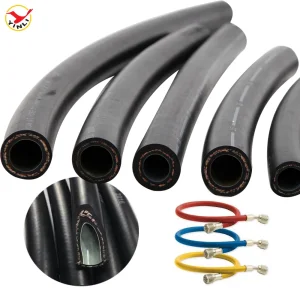
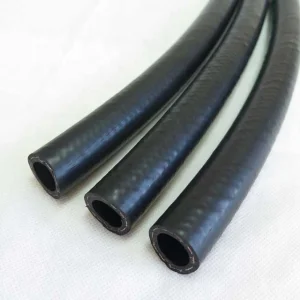
Standard industrial rubber is inadequate for secondary air injection systems. Hoses in this environment face intense thermal stress and exposure to corrosive exhaust gas blowback containing nitrous oxides, sulfuric acid, and fuel vapors. Leading factories utilize multi-layered material designs to ensure durability.
Formulated with premium Ethylene Propylene Diene Monomer (EPDM) or high-grade silicone rubber. Designed to resist continuous exposure to exhaust condensates and extreme ozone levels near the exhaust manifold.
An intermediate layer braided with high-tensile polyester or aramid fibers. This structure prevents the hose from expanding or collapsing under high-frequency pulsations generated by the electric air pump.
An abrasion-resistant EPDM layer designed to withstand extreme engine temperatures, oil splashes, road debris, and salt sprays without cracking or drying out.
In high-performance configurations, hoses include an outer layer of **aluminized fiberglass sleeving**. This sleeve acts as a radiation shield against extreme heat from close-proximity turbochargers or exhaust downpipes.
Shenzhen Autowellix Autoparts Co., Ltd. leads in design, polymer compounding, and automated fabrication, producing OEM-grade emission hoses that meet international quality standards.
Shenzhen Autowellix Autoparts Co., Ltd. is a professional automotive parts manufacturer and exporter based in Shenzhen, China, specializing in high‑quality vehicle fluid lines and hose assemblies. With a strong focus on innovation, design, and precision manufacturing, Autowellix offers a wide range of products including coolant hoses, gearbox oil lines, steering fluid pipes, windshield spray hoses, and other critical automotive pipe solutions. The company combines advanced R&D capabilities with experienced production teams to ensure products meet demanding industry standards and vehicle performance requirements.
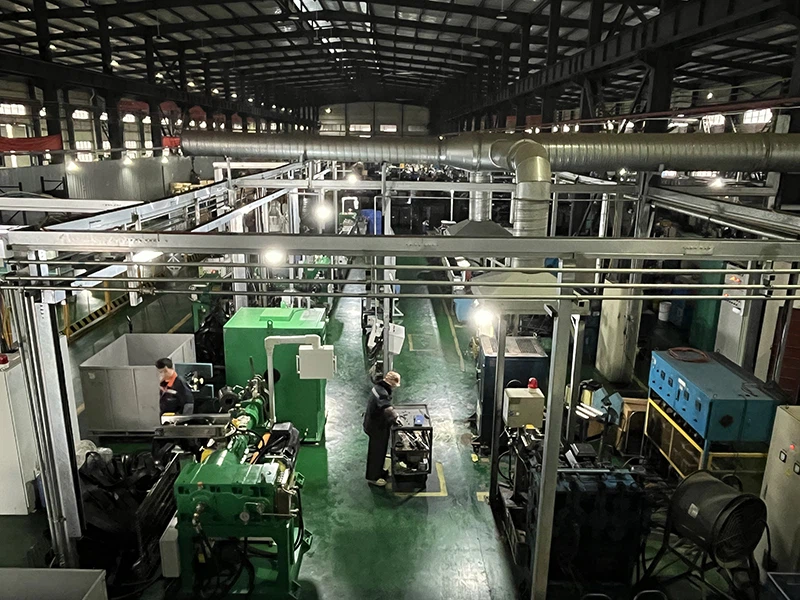
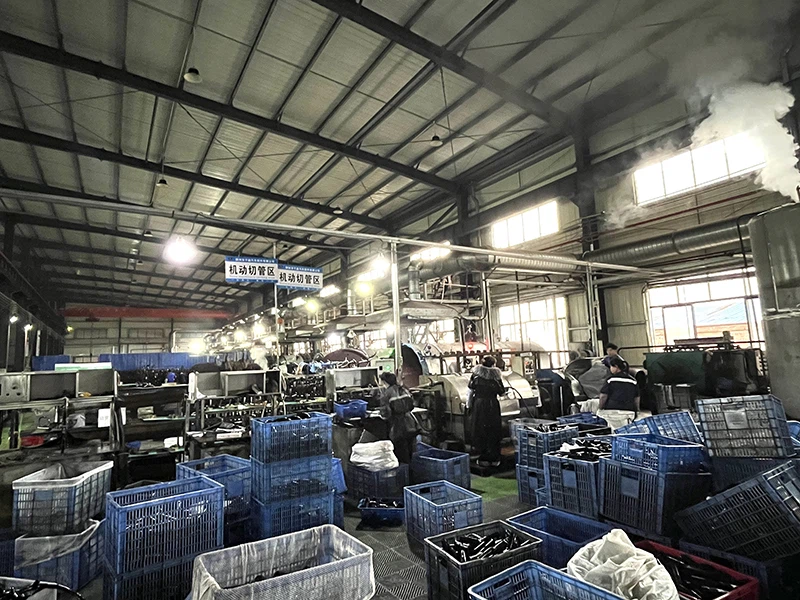
Autowellix is committed to providing durable, reliable, and high‑performance automotive piping systems that withstand extreme temperatures, high pressures, and rigorous driving conditions. Its products are widely used in passenger vehicles, commercial automobiles, and aftermarket applications worldwide. With strict quality control processes, from material selection to final inspection, Autowellix ensures every product delivers excellent service life and safety performance.
Dedicated to customer satisfaction, Shenzhen Autowellix Autoparts Co., Ltd. supports OEM and customized solutions, providing tailored services to meet diverse market needs. The company’s global sales network and professional support teams enable efficient cooperation with partners across Europe, the Americas, Southeast Asia, and beyond, making Autowellix a trusted name in automotive fluid line manufacturing and supply.
Automotive systems operate in diverse and demanding environmental conditions. Secondary air injection systems face unique regional challenges that dictate material choice and structural features.
As the automotive industry transitions to low-emission hybrids and alternative fuel vehicles, emission control component designs must adapt. The design roadmap for secondary air injection hoses focuses on three key innovations:
Shifting from traditional cured rubber to recyclable, lightweight Thermoplastic Vulcanizates (TPV). TPV offers comparable flexibility, ozone resistance, and thermal performance, while reducing component weight by up to 30%.
Integrating micro-sensors directly into quick-connect fittings. These sensors monitor flow rate, pressure, and temperature within the hose, providing real-time data to the engine management system to optimize air injection cycles.
Applying ultra-thin fluoropolymer (FKM/FEP) inner barrier linings to prevent oil vapors from penetrating the outer rubber matrix. This layer extends the hose's service life beyond 200,000 miles.
Vehicle OBD-II monitoring systems track air injection rates, pressure drops, and electrical resistance. Below is a diagnostic reference mapping system codes to potential hose failures:
| OBD-II Code | System Status Description | Role of Hose in Failure Mode | Corrective Diagnostics Action |
|---|---|---|---|
| P0410 | Secondary Air Injection System Malfunction | Splits, punctures, or disconnected hoses cause systemic pressure drops. | Inspect hose walls, connection points, and joints for air leaks. |
| P0411 | Secondary Air Injection System Incorrect Flow | Internal hose collapse, kinks, or ice blockages restrict air flow. | Check the hose routing for sharp bends. Clean out debris or water ice. |
| P0412 | Switching Valve 'A' Circuit Malfunction | Moisture leaking through the hose corrodes the check valve solenoid connections. | Replace corroded connections and install hoses with integrated seals. |
| P0491 | Secondary Air Injection System Insufficient Flow (Bank 1) | Leakage or blockage specifically affecting the Bank 1 branch line. | Perform a smoke test on the Bank 1 hose routing to isolate leaks. |
| P0492 | Secondary Air Injection System Insufficient Flow (Bank 2) | Leakage or blockage specifically affecting the Bank 2 branch line. | Inspect Bank 2 branch connectors and heat shielding. Replace if cracked. |
Review our full line of specialized hoses, couplers, and heavy industry manufacturing systems. Built to withstand demanding pressures and temperatures across commercial and automotive applications.
 Autowellix Autoparts