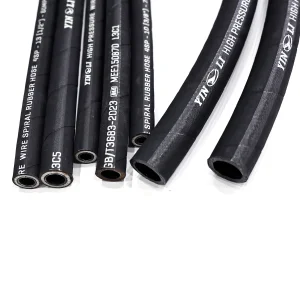
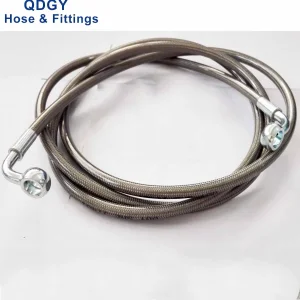
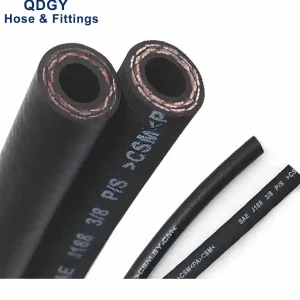
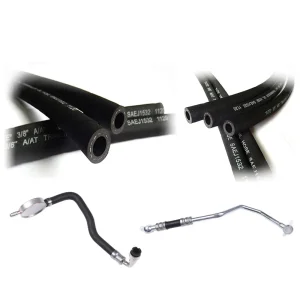
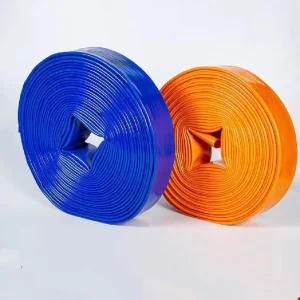
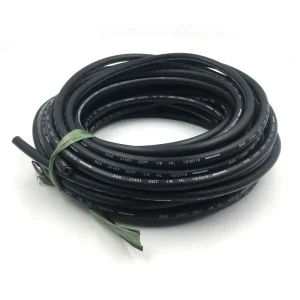
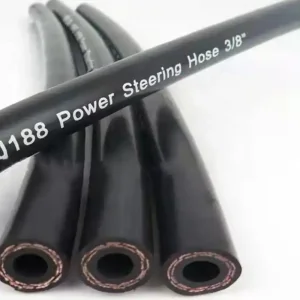
In the modern industrial landscape, Low Permeation Fuel Hose (LPFH) has shifted from a specialized component to a global regulatory necessity. As international environmental agencies like the EPA (Environmental Protection Agency) and CARB (California Air Resources Board) tighten evaporative emission standards, the demand for high-barrier fuel lines has skyrocketed. Traditional rubber hoses, once the industry standard, are no longer sufficient to prevent the hydrocarbon molecules from leaching through the hose wall into the atmosphere.
Our role as a leading China low permeation fuel hose supplier involves bridging the gap between advanced polymer science and practical application. These hoses are engineered using multi-layer technology, often incorporating Fluoroelastomers (FKM), Fluoropolymers (THV), or specialized Barrier Nylon layers. This design ensures that fuel loss is minimized to less than 15g/m²/day, drastically reducing the environmental footprint of vehicles and machinery.
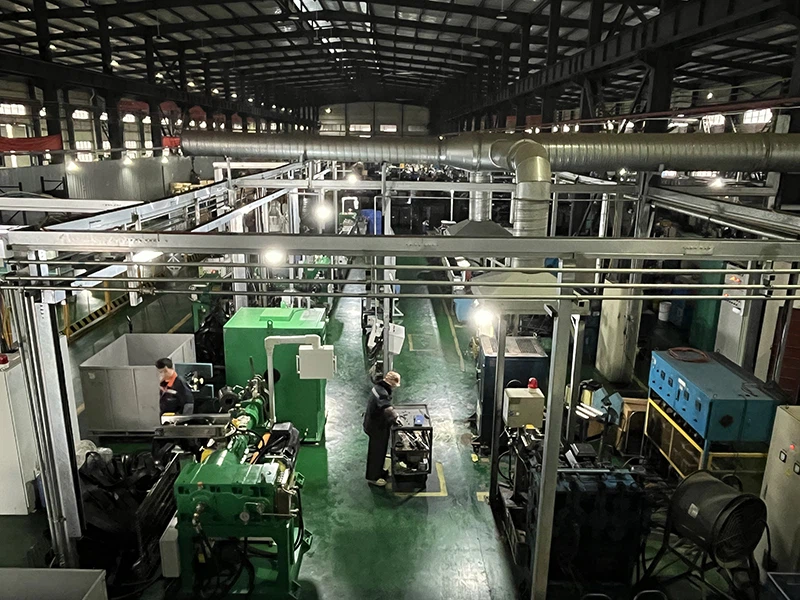
Our hoses meet and exceed SAE J30R9, SAE J30R12, and international Euro 6 emission standards for fuel systems.
Utilizing multi-layer FKM and NBR blends to handle aggressive biofuels, E85 ethanol, and ultra-low sulfur diesel.
Customized hose assemblies for specific engine layouts, ensuring zero-leakage and perfect fitment for global car brands.
Engineered to operate reliably in temperatures ranging from -40°C to +150°C without cracking or losing flexibility.
Efficient logistics from Shenzhen to Europe, North America, and SE Asia, reducing lead times for bulk procurement.
Every batch undergoes pressure pulse testing, burst tests, and permeation rate analysis in our in-house lab.
Across the globe, procurement managers for automotive OEMs, small engine manufacturers (lawn and garden), and marine equipment providers are facing a common challenge: Fuel Compatibility. The transition to biofuels and ethanol-blended gasoline (like E10 and E85) causes traditional rubber to swell and degrade. This has led to a surge in sourcing high-performance fuel injection hoses that offer chemical resistance and low permeation.
Common Application Scenarios:
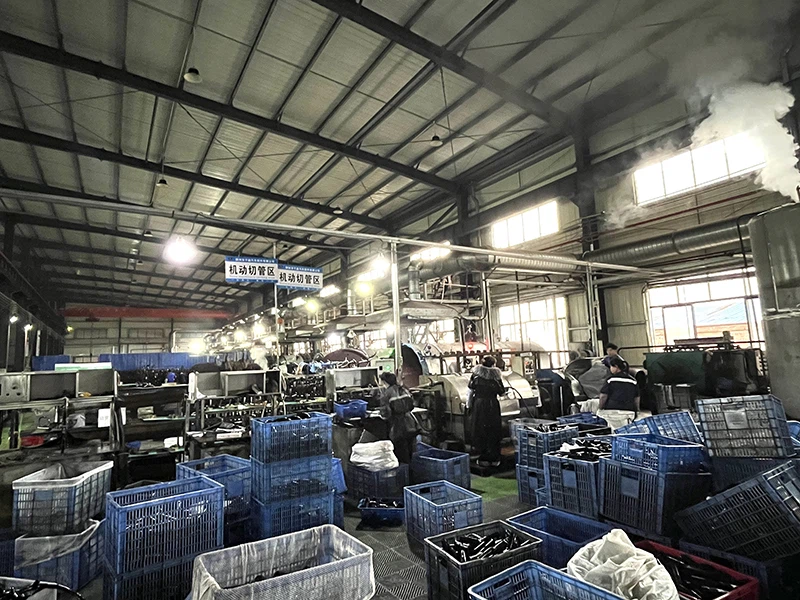
Shenzhen Autowellix Autoparts Co., Ltd. is a professional automotive parts manufacturer and exporter based in Shenzhen, China, specializing in high‑quality vehicle fluid lines and hose assemblies. With a strong focus on innovation, design, and precision manufacturing, Autowellix offers a wide range of products including coolant hoses, gearbox oil lines, steering fluid pipes, windshield spray hoses, and other critical automotive pipe solutions.
The company combines advanced R&D capabilities with experienced production teams to ensure products meet demanding industry standards and vehicle performance requirements. Autowellix is committed to providing durable, reliable, and high‑performance automotive piping systems that withstand extreme temperatures, high pressures, and rigorous driving conditions. Its products are widely used in passenger vehicles, commercial automobiles, and aftermarket applications worldwide.
With strict quality control processes, from material selection to final inspection, Autowellix ensures every product delivers excellent service life and safety performance. Dedicated to customer satisfaction, Shenzhen Autowellix Autoparts Co., Ltd. supports OEM and customized solutions, providing tailored services to meet diverse market needs. The company’s global sales network and professional support teams enable efficient cooperation with partners across Europe, the Americas, Southeast Asia, and beyond, making Autowellix a trusted name in automotive fluid line manufacturing and supply.
Shenzhen, often called the "Silicon Valley of Hardware," provides unparalleled access to raw materials, logistics, and technical expertise. This synergy allows us to maintain a stable supply of high-grade FKM and synthetic polymers even when global markets fluctuate.
We leverage advanced automation in our production lines to reduce labor costs while increasing precision. This enables us to provide premium low-permeation fuel hoses at a competitive price point that European or North American manufacturers struggle to match.
Unlike standard suppliers, our in-house engineering team can develop custom molds and hose structures based on your 2D/3D drawings. We handle the entire process from prototyping to mass production.
Time-to-market is critical. Our Shenzhen facility allows for rapid iteration, meaning you can get samples tested and approved faster, accelerating your product launch cycles.
The industrial world is at a crossroads where efficiency must meet environmental stewardship. The low permeation fuel hose industry is at the heart of this transition. As global warming concerns lead to stricter legislative frameworks such as the EPA’s Evaporative Emission Regulations, every component of the fuel system is under scrutiny. High-quality permeation barrier technology is no longer an "option"—it is a legal requirement for any manufacturer selling into the US, European, or Japanese markets.
Our commitment as a China top fuel hose supplier is to provide the "Expertise, Authoritativeness, and Trustworthiness" required for high-stakes industrial applications. By sourcing only the finest grades of NBR, CPE, and FKM, we create hoses that offer superior protection against fuel-induced swelling and environmental cracking. Whether you are dealing with a standard SAE J30R7 application or a high-pressure SAE J30R9 fuel injection system, Autowellix ensures that every product leaving our Shenzhen facility is tested for peak performance.
Looking forward, the trend toward hybridization and even hydrogen fuel cell technology presents new challenges. Low permeation isn't just about gas; it's about vapor management and chemical stability. As we invest more into R&D, we are expanding our capabilities to include lightweight composite hoses and specialized connectors that further reduce the risk of evaporative leaks. When you choose Shenzhen Autowellix, you are not just choosing a vendor—you are choosing a long-term engineering partner dedicated to pushing the boundaries of what is possible in automotive fluid line manufacturing.
 Autowellix Autoparts